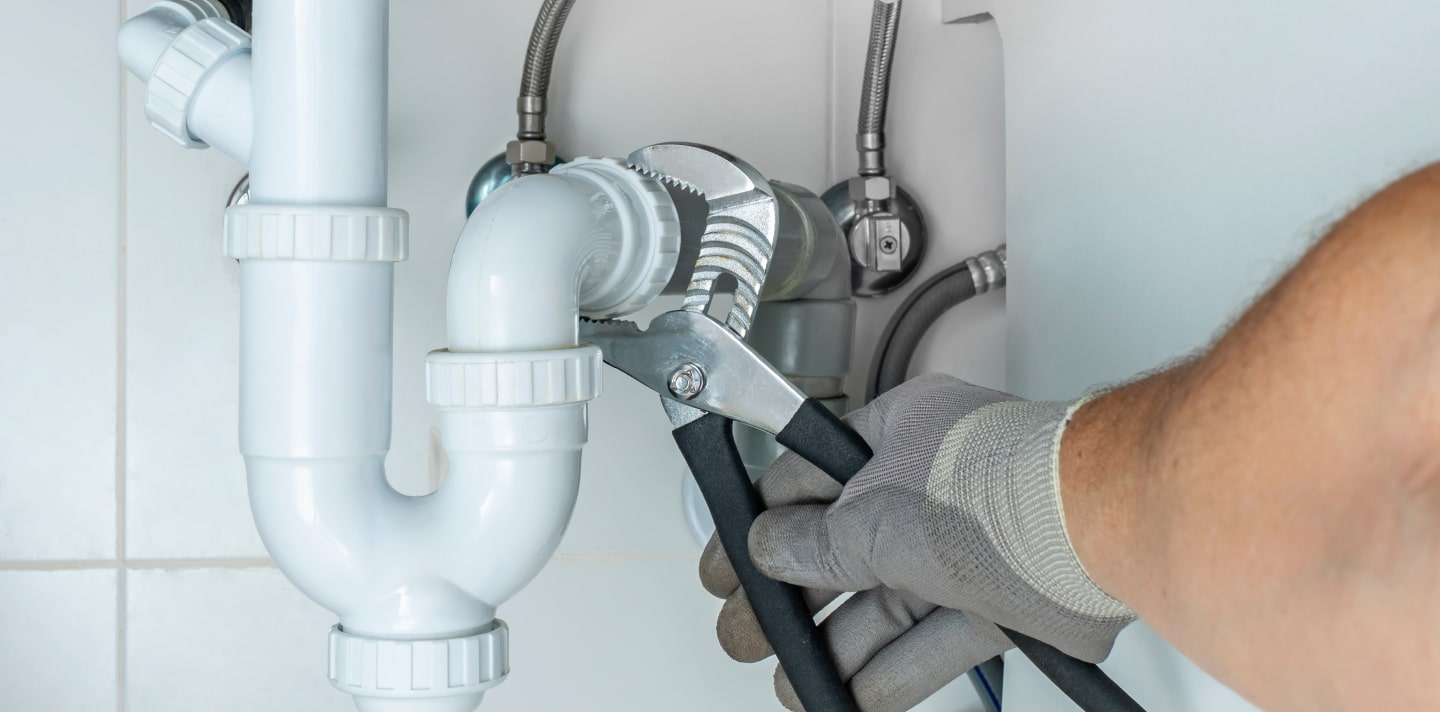
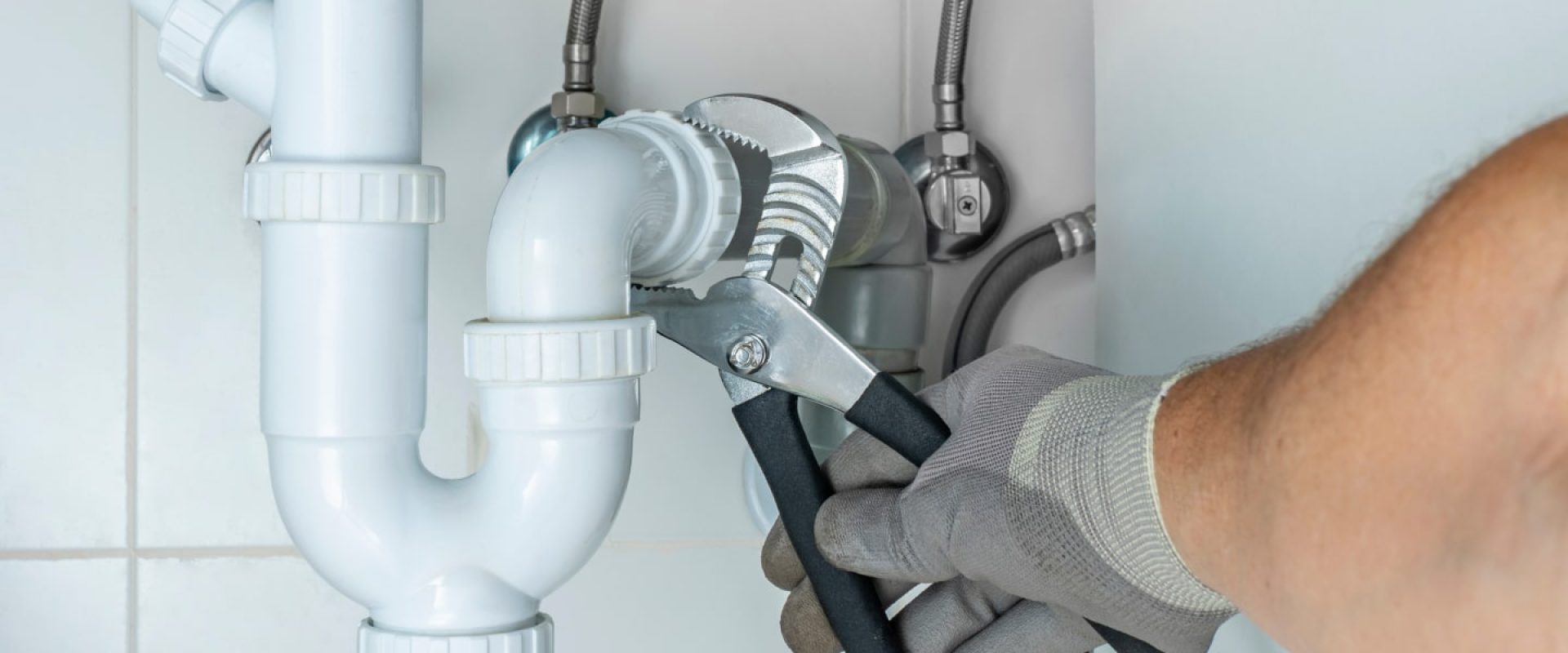
Plumbing issues can disrupt your daily life and lead to expensive repairs if not addressed promptly. By following expert insights from a local plumber in Serenada TX, you can safeguard your home against common problems. Understanding basic plumbing maintenance will enhance your awareness of necessary precautions and prolong the lifespan of your plumbing system. This guide will provide you with crucial tips that empower you to tackle potential hazards and keep your plumbing running smoothly.
Key Takeaways:
- Regular inspections can catch small issues before they become costly repairs.
- Properly insulate pipes to prevent freezing during cold weather.
- Use strainers in sinks and tubs to avoid clogs from hair and debris.
Common Plumbing Issues to Watch For
Being vigilant about common plumbing issues can save you from significant repair costs. Addressing these situations promptly can make a substantial difference in your home maintenance. Look out for signs of wear and tear, as well as plumbing noises that indicate underlying problems. This section highlights some frequent issues that you might encounter and their implications.
Leaky Faucets
A leaky faucet may seem minor, but it can waste over 3,000 gallons of water annually. This not only spikes your water bill but can also lead to water damage and mold growth. Inspect your faucets regularly to catch any drips early, and consider replacing worn washers or seals to resolve the issue swiftly.
Running Toilets
Experiencing a running toilet can be frustrating and costly, as it can waste up to 200 gallons of water a day. Common causes include a faulty flapper, chain issues, or problems with the fill valve. Fixing a running toilet promptly can help conserve water and save you significant money on your utility bills.
A running toilet often stems from a worn-out flapper, which doesn’t create a proper seal and allows water to escape continuously into the bowl. Adjusting the chain length or replacing the flapper can rectify this problem. If the toilet still runs, inspect the fill valve to ensure it shuts off at the right level. Not only is this an annoyance, but the environmental impact is notable-over time, the waste adds up significantly. Regular maintenance checks can prevent this issue from becoming a persistent drain on your finances.
Maintenance Tips to Prevent Plumbing Problems
To ensure your plumbing system runs smoothly, implement routine maintenance practices. Start by inspecting pipes for leaks and corrosion, and regularly check faucets and fixtures for signs of wear. Additionally, keep an eye on your toilet for unusual noises or running water. Use strainers in sinks to catch debris and prevent clogs. Invest in professional drain cleaning services once or twice a year to maintain flow. Knowing these steps helps you avoid costly repairs in the long run. For more tips, check out the Top 5 Plumbing Issues: Local Plumber Solutions.
Regular Inspections
Performing regular inspections can significantly reduce unexpected plumbing issues. Set a schedule to examine your plumbing system at least biannually, focusing on key areas like the basement, under sinks, and around appliances. Look for leaks, unwanted moisture, and signs of rust or mold. Early detection allows you to address problems before they escalate into expensive repairs.
Drain Cleaning Techniques
Effective drain cleaning is necessary for keeping your plumbing system clear. Using a mixture of baking soda and vinegar can help dissolve minor clogs and eliminate odors. For more stubborn blockages, a plumber’s snake may be necessary to reach deeper within the pipes. Additionally, avoid pouring grease down the drain, as it solidifies and causes serious clogs.
Adopt a regular drain cleaning schedule, targeting high-traffic plumbing areas like kitchens and bathrooms. Use hot water to flush your drains after each cleaning, keeping them flowing freely. For persistent issues, consider employing professional hydro-jetting, which uses high-pressure water to clear tough blockages without damaging your pipes. This proactive approach minimizes the risk of severe plumbing disruptions, ensuring your system operates efficiently.
Tips for Winterizing Your Plumbing
To ensure your plumbing system withstands the cold months, focus on these important winterizing tips:
- Drain outdoor hoses and store them away
- Seal any openings to prevent cold drafts
- Insulate pipes in unheated areas
- Keep your thermostat set above 55°F when away
- Let faucets drip during extreme cold
Knowing these strategies can significantly reduce the risk of costly repairs.
Insulating Pipes
Insulating your pipes is an effective way to prevent freezing. Use foam pipe insulation sleeves for both hot and cold water lines, particularly those in attics, basements, and outside walls. This addition provides a barrier against the cold and can help maintain water temperature, saving energy and reducing costs.
Preventing Frozen Lines
You can take proactive measures to prevent frozen lines, ensuring your water supply remains uninterrupted. Keep cabinet doors open under sinks to allow warm air to circulate around plumbing, especially in exterior walls. During extreme cold, let faucets drip slightly to relieve pressure in pipes and make it less likely for water to freeze.
Preventing frozen lines also involves monitoring your thermostat settings and making necessary adjustments. If you’re away for an extended period, consider setting your thermostat to a minimum of 55°F. Additionally, disconnect garden hoses and install insulated covers on outdoor faucets to provide extra protection. These steps ensure your plumbing system functions smoothly throughout winter, reducing the risk of breaks and leaks.
Essential Tools Every Homeowner Should Have
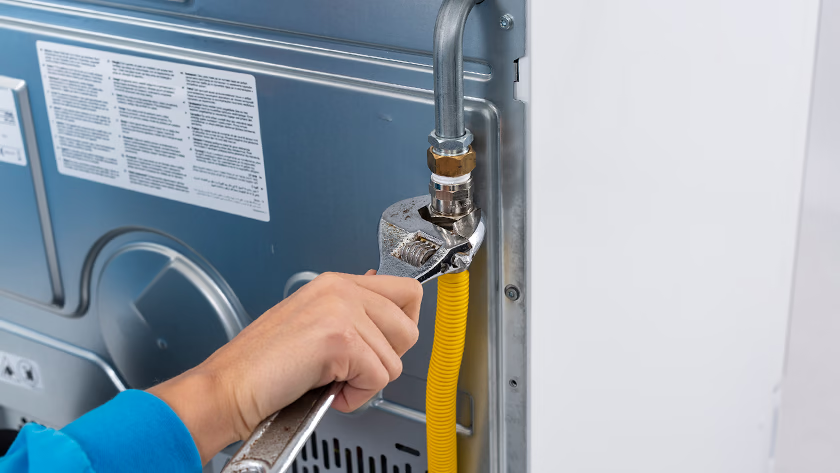
Equipping yourself with the right tools can make handling minor plumbing issues easier and can save you money on repairs. Some crucial tools for every homeowner include a pipe wrench, adjustable wrench, and a plunger, which are vital for tackling various plumbing tasks. Additionally, investing in a drain snake can help you clear clogs effectively, while a pipe cutter is perfect for making clean cuts for repairs or installations. Having these tools on hand empowers you to address small problems before they escalate.
Basic Plumbing Tools
To handle everyday plumbing challenges, start with basic tools like a crescent wrench, tube cutter, and a multi-bit screwdriver. These are crucial for tightening fittings, cutting pipes, and accessing various fixtures. A toilet auger is specifically designed for clearing toilet blockages and is invaluable for homeowners. Always keep a handy flashlight, as visibility can be a game changer when you’re working in tight or dark spaces.
When to Call a Professional
While having the right tools can help you tackle minor plumbing repairs, knowing when to call a professional is equally important. If you face persistent leaks, severe clogs, or water pressure issues, engaging a licensed plumber can ensure the problem is resolved effectively and safely. Attempting complicated repairs without adequate knowledge might lead to further damage or safety hazards.
For instance, if you notice water pooling under your sink even after attempting a fix, it may indicate a deeper issue within your plumbing system. This situation calls for expert attention, as unresolved leaks can cause serious damage to your home and mold growth. Additionally, if your attempts to clear a significant clog fail despite using a snake, a professional’s expertise can save you time and prevent damage. Don’t hesitate to contact a plumber for issues that seem beyond your abilities; it’s a wise investment in your home’s maintenance.
Understanding Your Home’s Plumbing System
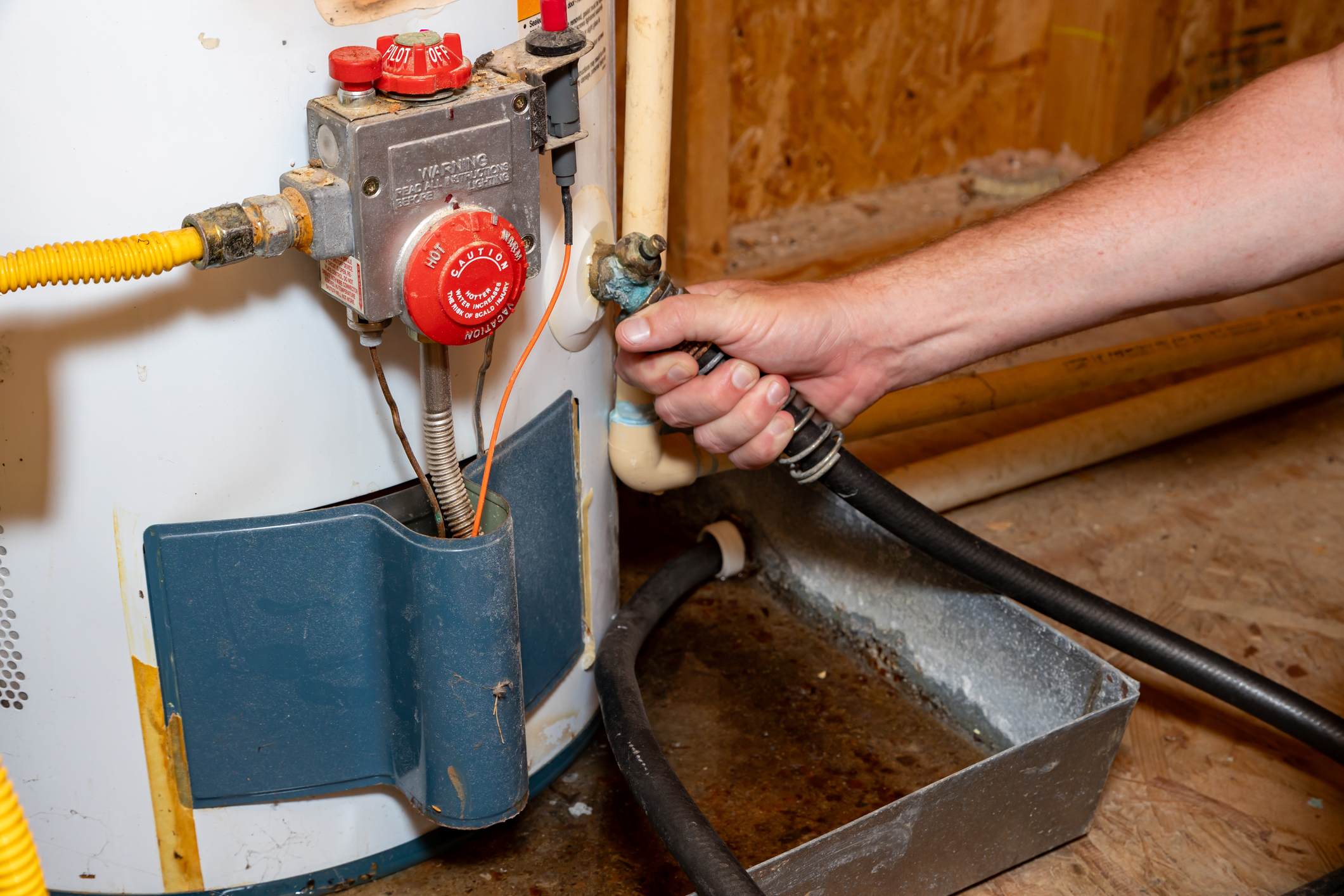
Familiarizing yourself with your home’s plumbing system can allow you to identify potential problems before they escalate. Every home has a unique plumbing layout tailored to its size and design, including several components such as pipes, fixtures, and drainage systems. Knowing how these elements work together can empower you to make informed maintenance decisions and spot issues early.
Pipes and Fixtures
Your home’s plumbing consists of various pipes and fixtures that transport water to and from different areas. Typically, your system features two types of pipes: supply pipes, which carry fresh water, and drain pipes, which remove waste. Fixtures such as faucets, toilets, and showerheads are designed for efficient water use, so understanding their function helps in spotting inefficiencies and leaks.
Main Water Shut-Off Location
Identifying the main water shut-off location is imperative for managing plumbing emergencies. Usually located near where the water line enters your home, this valve can quickly stop water flow, preventing flooding or extensive damage during a leak or burst pipe situation.
Typically, you will find the main shut-off valve in the basement, crawl space, or outside near the foundation. In some cases, the valve may be concealed, but knowing its exact location ensures you can act swiftly if needed. Familiarize yourself with the handle’s operation-turn it clockwise to shut off the water-and consider labeling it for easy identification. Regularly testing the valve ensures it functions correctly, especially before the onset of plumbing issues or extreme weather conditions.
Eco-Friendly Plumbing Practices
Implementing eco-friendly plumbing practices not only benefits the environment but also saves you money on water bills and prevents costly repairs. By adopting sustainable habits and utilizing innovative products, you contribute to a healthier planet while ensuring your plumbing system operates efficiently.
Water-Saving Devices
Installing water-saving devices such as low-flow faucets, showerheads, and dual-flush toilets can significantly reduce your water usage. These products can cut water consumption by up to 50%, helping you conserve resources and lower utility bills without sacrificing performance.
Reducing Water Waste
To effectively reduce water waste, check for leaks and promptly fix any dripping faucets or running toilets. Simple adjustments, like only running dishwashers or washing machines with full loads, can also contribute to significant savings over time.
Focus on monitoring your water use; for instance, consider tracking consumption through your water bill. If you notice any irregular spikes, it may indicate hidden leaks or inefficiencies. Additionally, strategic outdoor practices, like collecting rainwater for irrigation, not only reduces waste but also maximizes your plumbing efficiency. Implementing these steps can lead to meaningful savings and a more sustainable home.
To wrap up
So, by implementing these plumbing tips, you can significantly reduce the chances of costly repairs in your home. Regular maintenance, mindful use of your plumbing system, and prompt attention to small issues can all contribute to a more efficient and trouble-free experience. Take control of your plumbing resources, and ensure that you safeguard your investments for the long term.