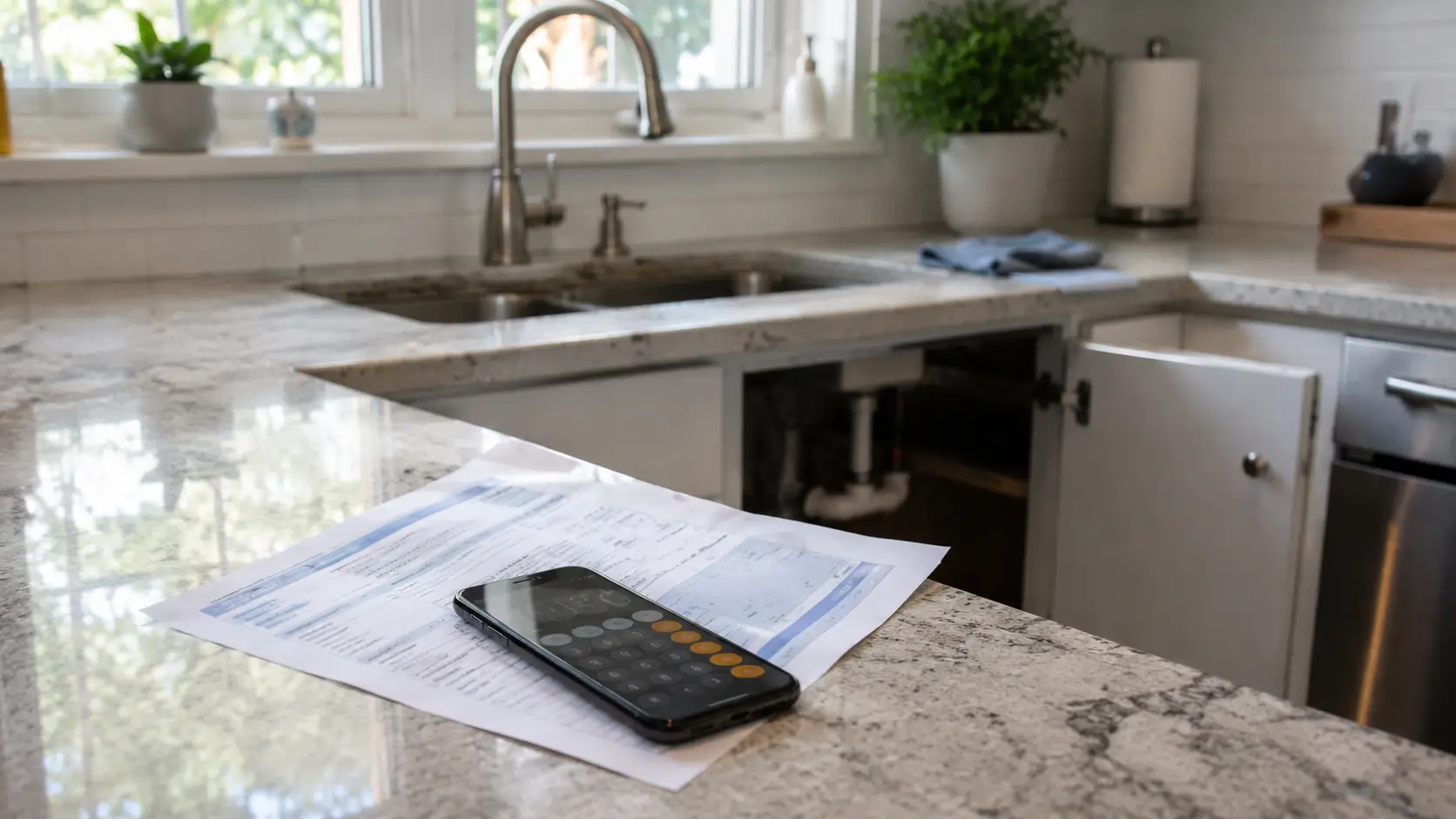
A sudden high water bill can catch any homeowner off guard. One month looks normal, then the next bill jumps even though your daily routine has not changed much.
In Georgetown, a higher water bill can come from simple things like extra outdoor watering, a running toilet, or a leaking irrigation line. But it can also point to a hidden plumbing leak behind a wall, under a slab, near the foundation, or somewhere in the yard.
The good news is that you do not have to guess. A few simple checks can help you figure out whether the increase is likely from normal water use or a plumbing issue that needs professional leak detection.
Quick Takeaways
- A sudden water bill spike is often caused by a leak, irrigation issue, running toilet, water softener problem, or higher outdoor water use.
- Not every leak is visible. Some leaks are hidden under flooring, behind walls, below the slab, or in the yard.
- If your water meter moves when all fixtures are off, water may be leaking somewhere on the property.
- Warm floor spots, damp flooring, musty smells, low water pressure, and soggy areas near the foundation can point to a hidden leak.
- If you cannot find the source, a plumber can use leak detection methods to narrow down the problem before major damage happens.
Common Reasons Your Georgetown Water Bill Went Up
A higher water bill does not always mean a major plumbing problem. Start by looking at what changed around the home.
Some common causes include:
- More lawn or landscape watering
- A sprinkler system running longer than usual
- A leaking irrigation line
- A toilet that keeps running
- A dripping faucet or showerhead
- A water softener stuck in a cycle
- A hidden pipe leak
- A slab leak under the home
- A main water line leak
- Guests staying in the home
- A pool fill, pressure washing, or other one-time water use
If the increase makes sense based on recent activity, it may not be urgent. But if the bill jumped and nothing in your usage changed, it is worth checking for a leak.
Why Leaks Can Be Hard to Spot in Georgetown Homes
Some plumbing leaks are obvious. You see water under a sink, hear a toilet running, or notice a dripping hose bib outside.
Other leaks are harder to catch.
In Central Texas, water from an underground or irrigation leak may not always pool where you expect it. Soil and limestone conditions can make water move away from the leak area, which means the yard may not look flooded even when water is being wasted.
Inside the home, hidden plumbing leaks may show up as small warning signs instead of obvious water damage. A homeowner may notice a musty smell, a soft spot in the floor, lifting baseboards, or a water bill that keeps climbing.
That is why a high water bill should not be ignored, especially when the increase continues for more than one billing cycle.
First, Check for Normal Usage Changes
Before assuming the worst, look at your recent water use.
Ask yourself:
- Did you water the lawn more often?
- Did your irrigation schedule change?
- Did someone adjust the sprinkler controller?
- Did you fill a pool or hot tub?
- Did you have guests staying over?
- Did you wash vehicles, clean patios, or pressure wash?
- Did the weather change and increase outdoor watering needs?
If one of these explains the higher bill, keep monitoring your next bill. If the number stays high after normal usage returns, there may still be an issue.
Check Toilets First
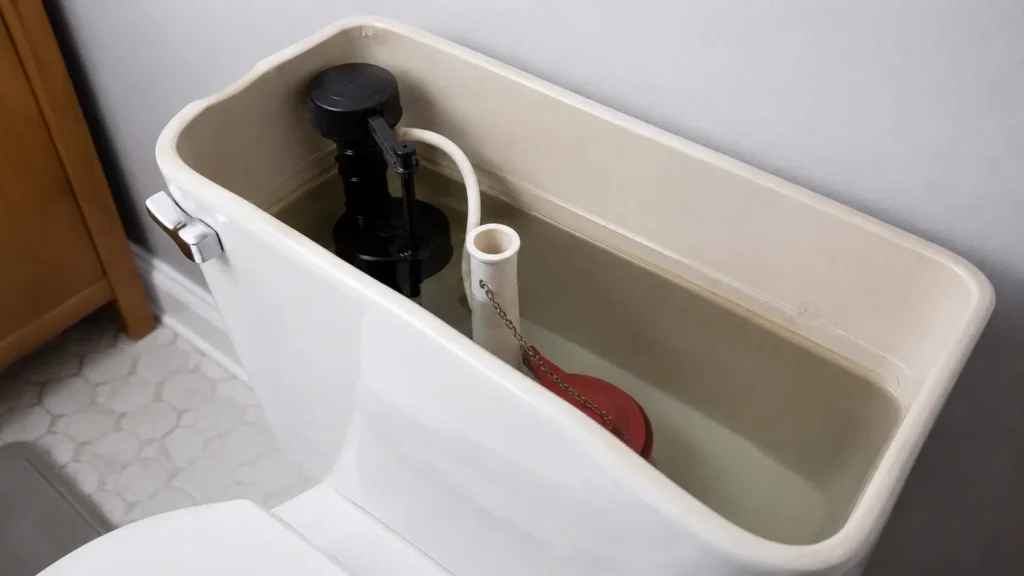
A running toilet is one of the most common causes of wasted water. The tricky part is that some toilet leaks are quiet. You may not hear constant running, but the tank may still be losing water into the bowl.
Here are signs your toilet may be wasting water:
- The toilet refills by itself
- You hear a faint trickling sound
- The handle feels loose or sticks
- The flapper looks worn
- Water moves in the bowl when the toilet has not been used
- The tank water level is too high
You can also place a few drops of food coloring in the toilet tank and wait without flushing. If color appears in the bowl, water is leaking from the tank into the bowl.
If you have more than one bathroom, check every toilet. A small leak in one bathroom can still affect the bill.
Check Faucets, Hose Bibs, and Visible Pipes
Next, walk through the home and around the exterior.
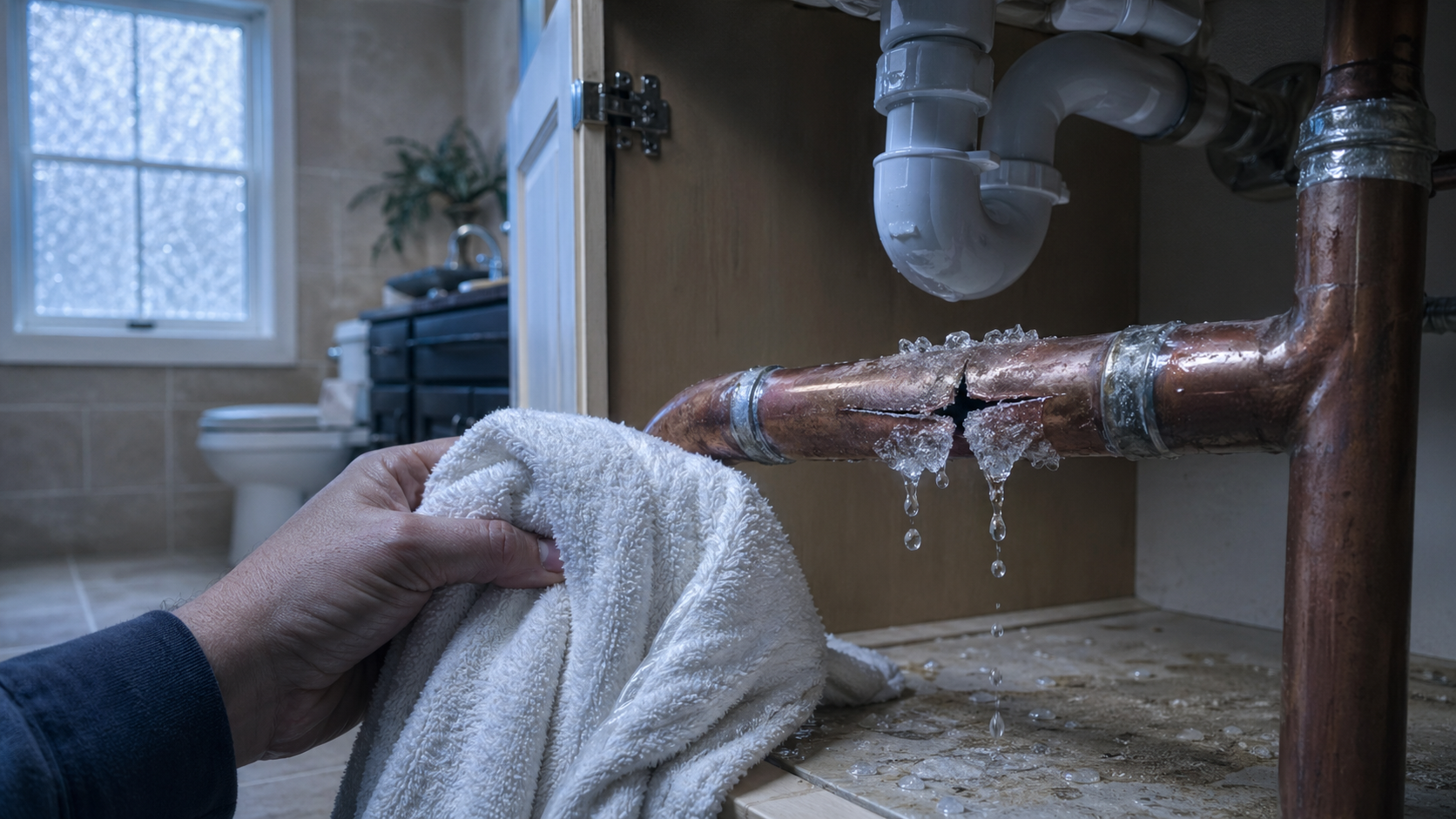
Look under sinks, behind toilets, near the water heater, around hose bibs, and near outdoor plumbing connections.
Watch for:
- Drips under cabinets
- Wet drywall
- Stained cabinet bottoms
- Corrosion near fittings
- Water around the water heater
- A constantly dripping outdoor spigot
- Wet soil around exterior plumbing
- Water running from a pressure relief line
- Unusual sounds behind walls
Even a slow leak can waste a lot of water over time, especially if it runs all day and night.
Look at Your Irrigation System
In Georgetown homes, irrigation leaks are a major thing to check because outdoor lines can leak without making a large puddle.
Walk the yard after the irrigation system runs. Look for:
- One area that stays greener than the rest
- Mushy soil
- Sunken spots
- Sprinkler heads bubbling after the system shuts off
- Water running down the curb
- Low pressure from one irrigation zone
- A zone that will not shut off
- Wet areas near valve boxes
Also check the irrigation schedule. A controller may have been changed by accident, reset after a power outage, or set to run more often than needed.
Do a Simple Water Meter Test
A water meter test can help you find out whether water is moving when it should not be.
Here is the basic process:
- Turn off all faucets, showers, appliances, and irrigation.
- Make sure nobody is using water inside or outside.
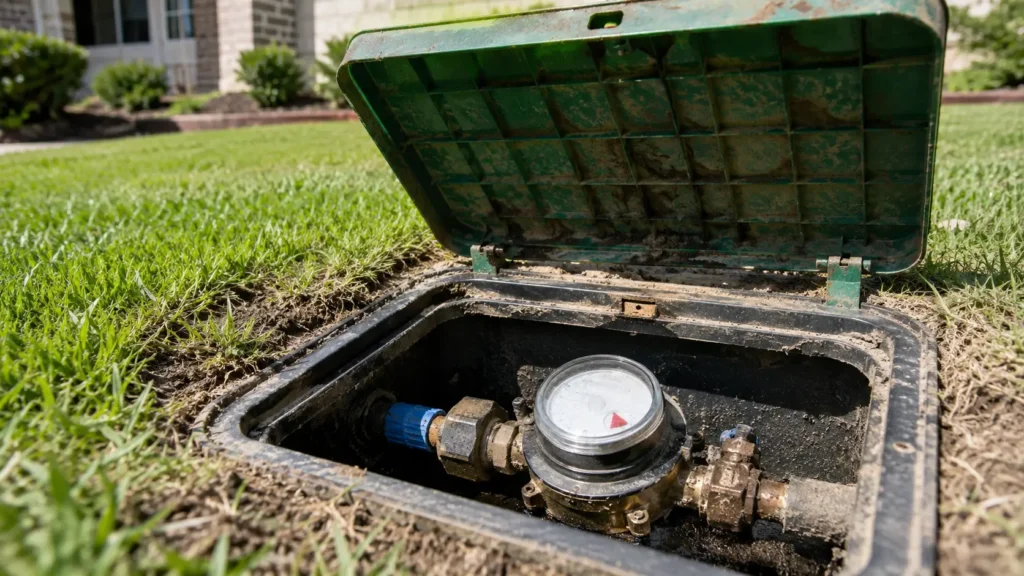
- Check the water meter.
- Watch the leak indicator or meter dial.
- Wait and check again.
If the meter keeps moving while everything is off, that can point to a leak somewhere on the property.
This does not tell you exactly where the leak is, but it helps confirm that water may be escaping somewhere.
Signs the Problem May Be a Hidden Plumbing Leak
If you cannot find an obvious issue, the leak may be hidden.
Call a plumber if you notice:
- A water bill that keeps rising
- Water meter movement when fixtures are off
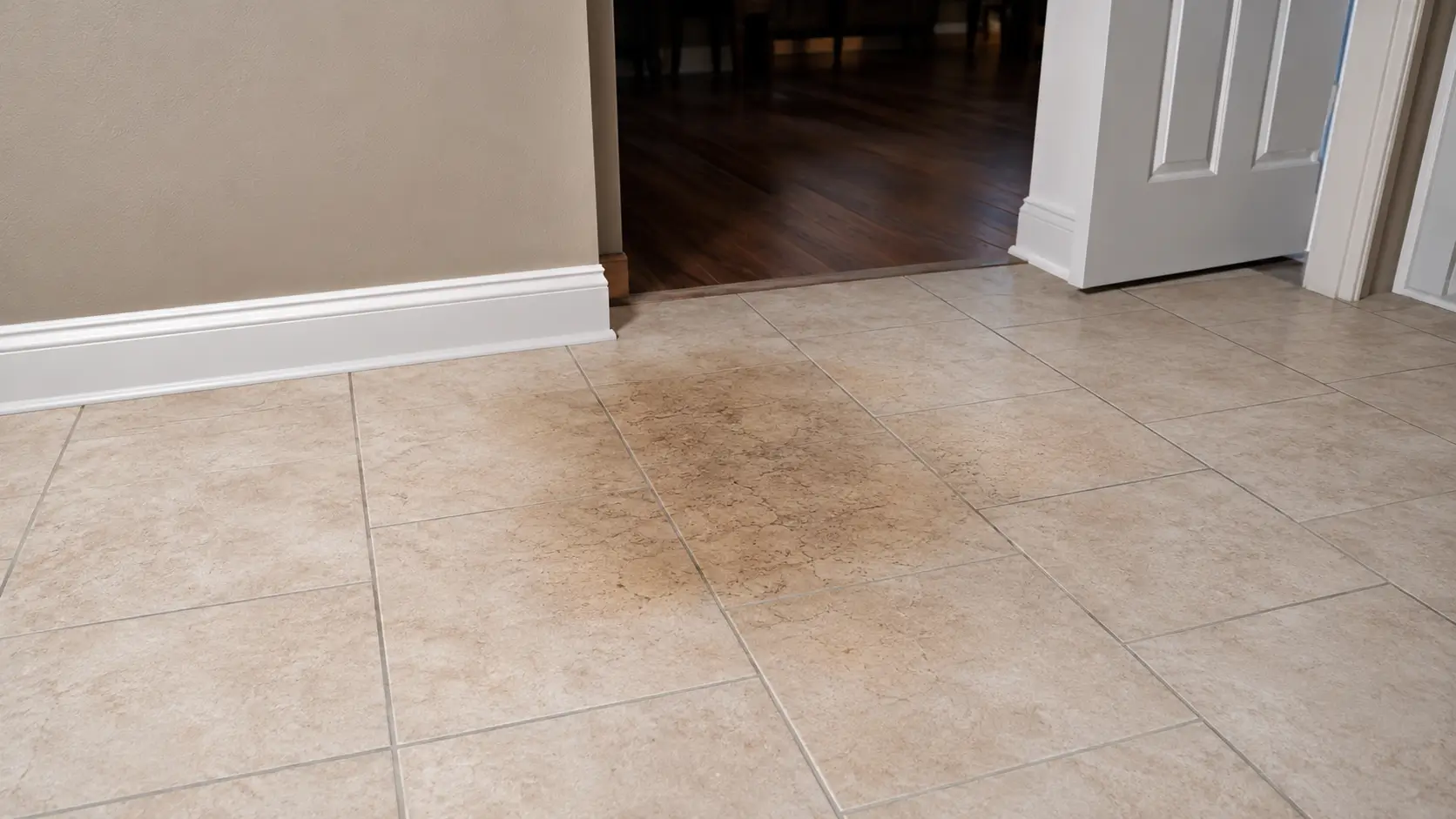
- Warm or damp spots on the floor
- Musty odors
- Lifting flooring or baseboards
- Stains on walls or ceilings
- Low water pressure
- Sounds of running water when nothing is on
- Soggy soil near the foundation
- Cracks or movement near flooring or walls
These signs can point to a leak behind walls, under flooring, in the yard, or below the slab.
Could a High Water Bill Mean a Slab Leak?
Yes, it can.
A slab leak happens when a water line under the concrete foundation leaks. Since the pipe is below the home, the leak may not be visible right away.
Possible signs include:
- A warm spot on the floor
- Damp carpet or flooring
- Musty smells
- Higher water bills
- Low water pressure
- Water sounds when fixtures are off
- Baseboards or flooring starting to lift
A slab leak is not something to ignore. The longer the leak continues, the more water may collect under or around the home. If you suspect one, it is better to schedule leak detection before opening floors or walls.
What a Plumber Can Check
If the simple checks do not explain the bill increase, a plumber can inspect the system more carefully.
Depending on the situation, leak detection may include:
- Checking the water meter
- Inspecting visible plumbing fixtures
- Looking for pressure changes
- Testing the water lines
- Listening for hidden leaks
- Using thermal imaging when helpful
- Checking for slab leak signs
- Inspecting wet areas near the foundation or yard
The goal is to narrow down the source before unnecessary demolition or guesswork.
When Should You Call Sosa Plumbing Services?
You should call for leak detection if:
- Your water bill increased with no clear reason
- Your meter moves when all water is off
- You see damp flooring or walls
- You smell musty odors near floors or baseboards
- You hear water running when nothing is on
- Your water pressure suddenly drops
- You suspect a slab leak
- You find a soggy area near the foundation
- The bill stays high for more than one cycle
Sosa Plumbing Services provides leak detection and repair for homeowners in Georgetown, TX and nearby areas. If the issue is hidden, the team can help locate the problem and explain the repair options before work begins.
Can You Get a Water Bill Adjustment After a Leak?
Some utilities may have their own process for high bill questions or leak-related adjustments. If you find and repair a leak, keep records of the repair, photos if possible, and any plumber documentation.
For Georgetown homeowners, it is smart to contact the local utility customer care team if you believe a leak caused the high bill. They can explain what information they need and whether any adjustment process applies to your account.
How to Prevent Another Surprise Water Bill
You cannot prevent every plumbing issue, but you can catch problems earlier.
A few habits help:
- Check your water bill each month
- Watch for sudden changes in usage
- Listen for running toilets
- Walk around the yard after irrigation runs
- Inspect under sinks regularly
- Look near the water heater for leaks
- Check the water meter if something feels off
- Schedule plumbing help when the cause is not obvious
Small leaks are easier to handle when they are caught early.
Final Thoughts
A sudden high water bill in Georgetown does not always mean a major plumbing problem, but it should get your attention.
Start with the simple checks: toilets, faucets, irrigation, outdoor spigots, and recent water use. If nothing explains the increase, check the meter. If the meter keeps moving while everything is off, there may be a hidden leak.
If you need help finding the source, Sosa Plumbing Services can inspect the issue, perform leak detection, and recommend the right repair for your home.
FAQs
Why did my water bill suddenly double?
A water bill can double because of irrigation use, a running toilet, a leaking sprinkler line, a dripping fixture, a water softener issue, or a hidden plumbing leak. If your usage habits did not change, check for leaks first.
How do I know if I have a hidden water leak?
A hidden leak may cause a high water bill, meter movement when all water is off, damp flooring, musty smells, low water pressure, warm floor spots, or water sounds behind walls.
Can a running toilet really raise my water bill?
Yes. A toilet leak can waste water continuously, even when it does not sound loud. Check the flapper, fill valve, handle, and tank water level.
Is a high water bill a sign of a slab leak?
It can be. A high bill by itself does not prove there is a slab leak, but if it appears with warm floors, damp flooring, musty smells, or low pressure, a slab leak should be checked.
Should I call a plumber or the water utility first?
If you suspect a billing or meter issue, contact the utility. If the meter shows water moving while all fixtures are off, or you see signs of a leak, call a plumber for leak detection.
What should I do before calling a plumber?
Turn off all fixtures, check toilets and visible pipes, inspect the irrigation system, and look at the water meter. If you find active leaking or damage, shut off the water and call for plumbing help.