Many Georgetown, TX homes deal with hard water because Central Texas water often contains high levels of minerals like calcium and magnesium. These minerals are not usually dangerous to drink, but they can create problems inside your plumbing system over time. If you see white stains on faucets, cloudy spots on dishes, crusty buildup around showerheads, or water heater issues, hard water may be part of the problem.
For Georgetown homeowners, hard water is more than a cleaning annoyance. It can affect pipes, fixtures, water heaters, appliances, and even water pressure. Understanding what hard water does can help you protect your home before small mineral buildup turns into bigger plumbing repairs.
Key Takeaways
- Georgetown homes commonly deal with hard water because Central Texas water contains mineral deposits.
- Hard water can leave calcium buildup inside pipes, faucets, showerheads, and water heaters.
- Common signs include white stains, cloudy dishes, dry skin, weak water flow, and appliance wear.
- Water heaters can lose efficiency faster when sediment collects inside the tank.
- Sosa Plumbing Services can help Georgetown homeowners with water quality testing, water softener installation, and plumbing repairs.
Why Is Hard Water So Common in Georgetown, TX?
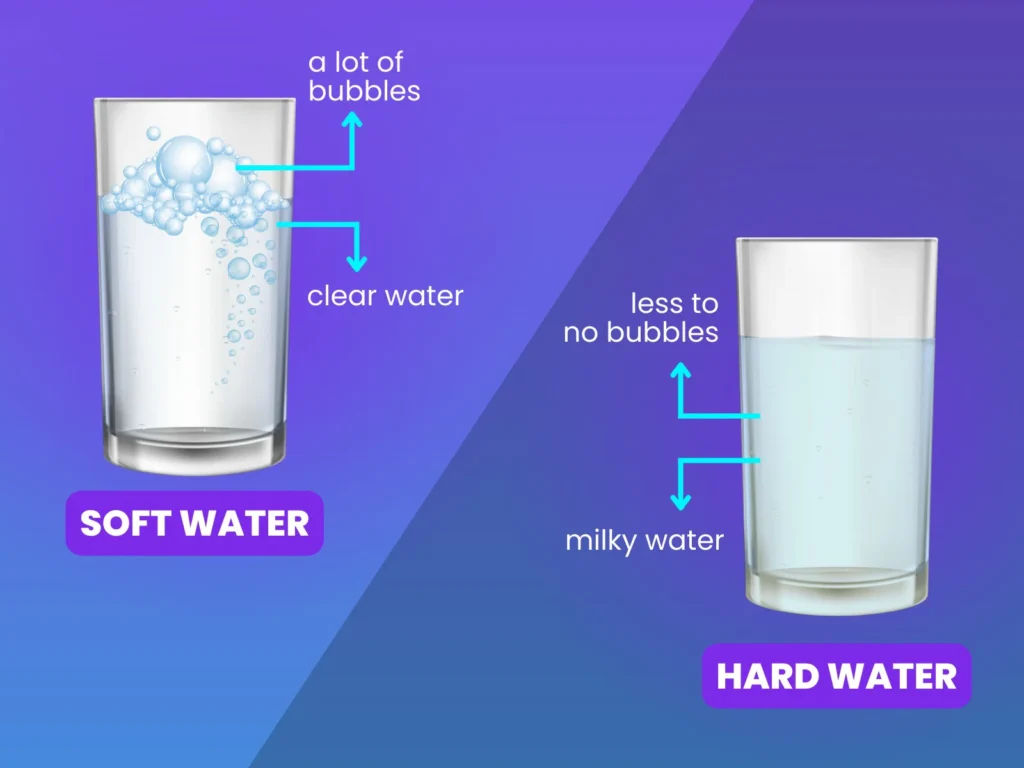
Hard water forms when water passes through rock, limestone, and soil that contain minerals. As the water moves through the ground, it picks up calcium and magnesium. By the time that water reaches your home, those minerals travel through your pipes, fixtures, appliances, and water heater.
This is a common issue across Central Texas, including Georgetown. Many homeowners first notice it in small ways, such as white spots on glassware or chalky buildup around faucets. Over time, those same minerals can collect inside plumbing components that you cannot easily see.
You may have hard water in your Georgetown home if you notice:
- White or chalky buildup around faucets
- Cloudy spots on dishes after washing
- Showerheads that clog often
- Soap that does not lather well
- Dry-feeling skin or hair after showering
- Water spots on glass shower doors
- Water heater noises or reduced hot water performance
These signs may seem minor at first, but they can point to a larger plumbing issue happening slowly inside the home.
What Hard Water Does to Your Pipes Over Time
Every time hard water moves through your plumbing system, it can leave behind small mineral deposits. At first, this buildup may not cause noticeable problems. But over months and years, calcium and magnesium can collect inside pipes, valves, faucets, and fixtures.
As the buildup grows, it can narrow the space where water flows. This can lead to weaker water pressure, slower water delivery, and more stress on your plumbing system.
Hard water can contribute to:
- Mineral buildup inside pipes
- Restricted water flow
- Clogged faucet aerators
- Showerhead blockages
- Extra wear on valves and fixtures
- More frequent plumbing maintenance
- Shorter lifespan for water-using appliances
Hard water does not usually destroy pipes overnight. The bigger issue is long-term wear. A Georgetown homeowner may not notice the damage until water pressure drops, fixtures start failing, or a water heater begins acting up.
Signs Your Georgetown Home Has Hard Water Problems
Hard water can show up in several areas of the home. Some signs are easy to see, while others are easier to miss.
One of the most common signs is white crust around faucets and showerheads. This is mineral scale. You may also notice cloudy dishes even after running the dishwasher, or water spots that keep coming back no matter how often you clean.
Bathrooms often show hard water problems first. Shower doors may look cloudy. Showerheads may spray unevenly. Faucets may have buildup around the base. Toilets may develop mineral rings that are hard to remove.
Inside the plumbing system, hard water can create problems that are less visible. You may notice lower water pressure, slow hot water recovery, or strange sounds from the water heater.
Common hard water warning signs include:
- White crust on faucets
- Scale around showerheads
- Cloudy glassware
- Spots on dishes
- Dry skin or hair
- Low water pressure at certain fixtures
- Soap scum in sinks and tubs
- Water heater popping or rumbling
- Frequent appliance issues
If several of these problems are happening at the same time, it may be worth having your water tested.
How Hard Water Affects Water Heaters
Water heaters are one of the biggest plumbing systems affected by hard water. When hard water enters a tank water heater, minerals can settle at the bottom of the tank. Over time, this creates sediment buildup.
That sediment makes the water heater work harder. Instead of heating water directly, the system has to heat through a layer of mineral deposits. This can reduce efficiency, slow down recovery time, and place extra stress on the unit.
Hard water can cause water heater problems such as:
- Popping or rumbling sounds
- Less available hot water
- Longer heating times
- Higher energy use
- Sediment buildup
- More frequent repairs
- Shorter water heater lifespan
Tankless water heaters can also be affected by hard water. Instead of sediment sitting inside a tank, scale can build up inside the heat exchanger and internal components. This is why routine flushing and descaling are important, especially in areas with hard water.
For Georgetown homeowners, water heater maintenance is not just about age. Water quality matters too. A newer water heater can still struggle if mineral buildup is not controlled.
Can Hard Water Damage Fixtures and Appliances?
Hard water affects more than pipes. It can also shorten the life of fixtures and appliances that use water every day.
Faucets and showerheads can clog with mineral scale. Dishwashers may leave cloudy dishes. Washing machines may need more detergent to clean clothes properly. Ice makers, toilets, and coffee makers can also collect mineral deposits.
In many homes, hard water creates a cycle of constant cleaning and recurring repairs. A homeowner cleans the faucet, but the white buildup comes back. The showerhead gets soaked in vinegar, but the spray pattern clogs again. The dishwasher runs normally, but dishes still come out with spots.
Hard water can affect:
- Faucets
- Showerheads
- Toilets
- Dishwashers
- Washing machines
- Ice makers
- Water heaters
- Tankless water heaters
- Plumbing valves
This is why hard water is often a whole-home plumbing issue, not just a cosmetic problem.
Do You Need a Water Softener in Georgetown, TX?
Not every home needs the same water treatment setup, but many Georgetown homeowners benefit from a water softener. A water softener helps reduce hardness minerals before they move through the plumbing system.
You may want to consider a water softener if your home has:
- Heavy calcium buildup
- Frequent faucet or showerhead clogs
- Water heater sediment problems
- Cloudy dishes
- Dry skin or hair
- Stiff laundry
- Appliance issues
- Hard water stains that keep returning
A water softener can help protect your pipes, fixtures, water heater, and appliances from mineral buildup. It can also make cleaning easier and improve how soap, shampoo, and detergent perform.
The best first step is water quality testing. Testing helps confirm how hard the water is and what type of solution makes sense for the home. Some homes may need a softener. Others may need filtration. Some may benefit from both.
Water Softener vs. Water Filtration: What’s the Difference?
Homeowners often confuse water softeners and water filters, but they are not the same thing.
A water softener is designed to reduce hardness minerals like calcium and magnesium. Its main purpose is to prevent scale buildup and protect plumbing, fixtures, water heaters, and appliances.
A water filtration system is designed to improve water quality by reducing things like sediment, taste, odor, chlorine, or other unwanted particles, depending on the system.
Here is the simple difference:
A water softener helps with hardness and scale.
A water filter helps with taste, odor, sediment, and certain water quality concerns.
Some Georgetown homes may only need a softener. Others may need a filtration system. In some cases, a combined approach makes the most sense. That depends on the water test results and the homeowner’s concerns.
When to Call a Georgetown Plumber About Hard Water
Hard water problems are easy to ignore because they build slowly. But if you wait too long, mineral buildup can affect comfort, efficiency, and plumbing performance.
You should call a plumber if:
- Water pressure has dropped
- Faucets or showerheads clog repeatedly
- Your water heater makes popping or rumbling sounds
- Hot water runs out faster than before
- White scale keeps coming back
- Your water softener is not working properly
- You are buying a home in Georgetown
- You are replacing a water heater
- You want to test your home’s water hardness
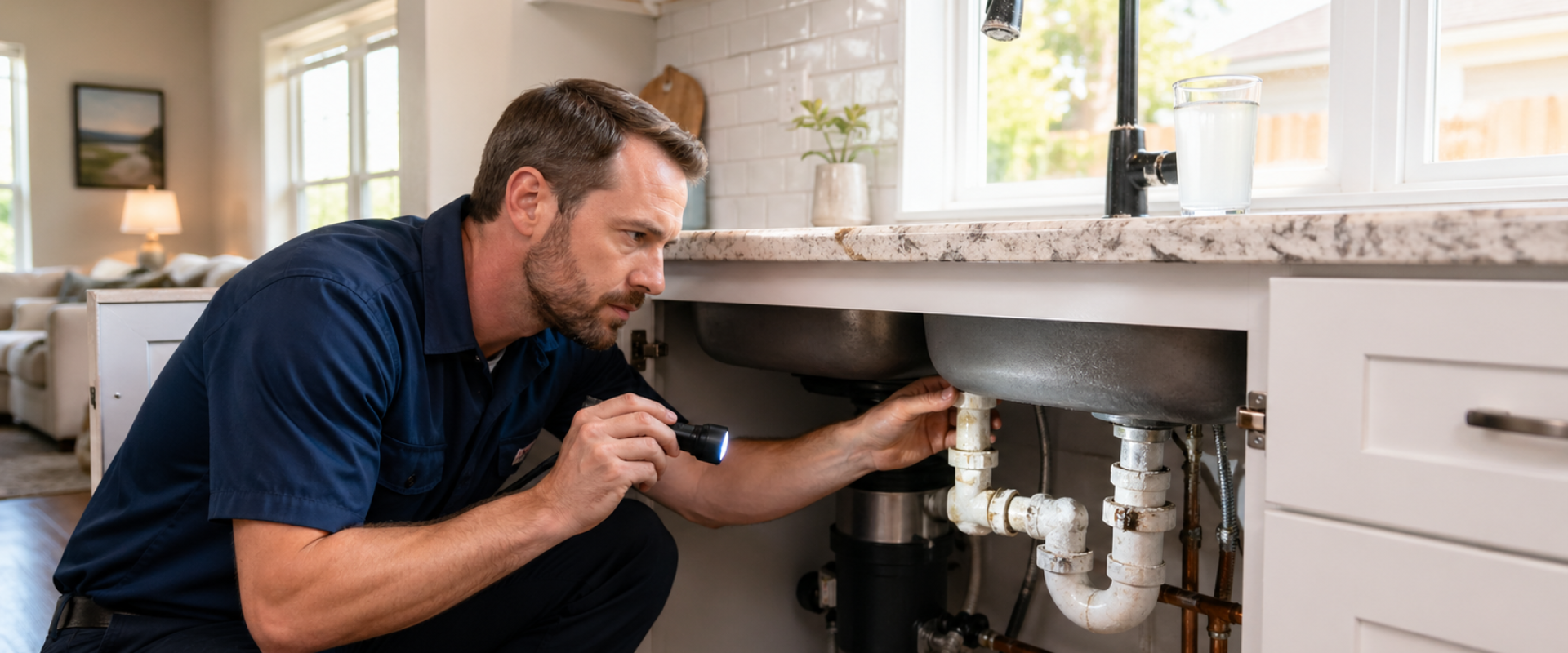
A licensed plumber can inspect your system, test your water, check for fixture or pipe damage, and recommend the right next step.
Call Sosa Plumbing Services for Hard Water Help in Georgetown, TX
Hard water is common in Georgetown, but that does not mean you have to ignore it. If mineral buildup is affecting your fixtures, water heater, pipes, or appliances, Sosa Plumbing Services can help.
Sosa Plumbing Services provides plumbing solutions for homeowners and businesses in Georgetown and surrounding Central Texas areas. Whether you need water quality testing, water softener installation, water heater service, pipe repair, or help finding the cause of low water pressure, the team can inspect your plumbing and recommend the right solution.
If you are concerned about hard water in your Georgetown home, call Sosa Plumbing Services today to schedule water quality testing or a plumbing inspection.
FAQs About Hard Water in Georgetown, TX
Is hard water bad for Georgetown, TX homes?
Hard water is not usually unsafe to drink, but it can be hard on your plumbing system. Over time, minerals can build up inside pipes, faucets, showerheads, water heaters, and appliances.
What are the signs of hard water in a home?
Common signs include white spots on faucets, cloudy dishes, dry skin, soap scum, low water flow, clogged showerheads, and water heater sediment.
Can hard water reduce water pressure?
Yes. Mineral buildup can restrict water flow through fixtures, valves, showerheads, and sometimes pipes. If pressure drops in certain areas of the home, hard water buildup could be one possible cause.
Does a water softener help protect pipes?
Yes. A properly installed water softener can reduce hardness minerals before they move through your plumbing system. This can help limit calcium buildup and protect fixtures, pipes, water heaters, and appliances.
Should I test my water before installing a softener?
Yes. Water testing helps confirm how hard your water is and whether a softener, filtration system, or other water treatment solution is the best fit for your Georgetown home.