If you turn on a faucet during a Georgetown cold snap and only a trickle comes out, you may be dealing with a frozen pipe. Frozen pipes can happen in Central Texas when temperatures drop below freezing, especially in homes with exposed plumbing, outdoor hose bibs, pipes in exterior walls, or poor insulation around vulnerable water lines.
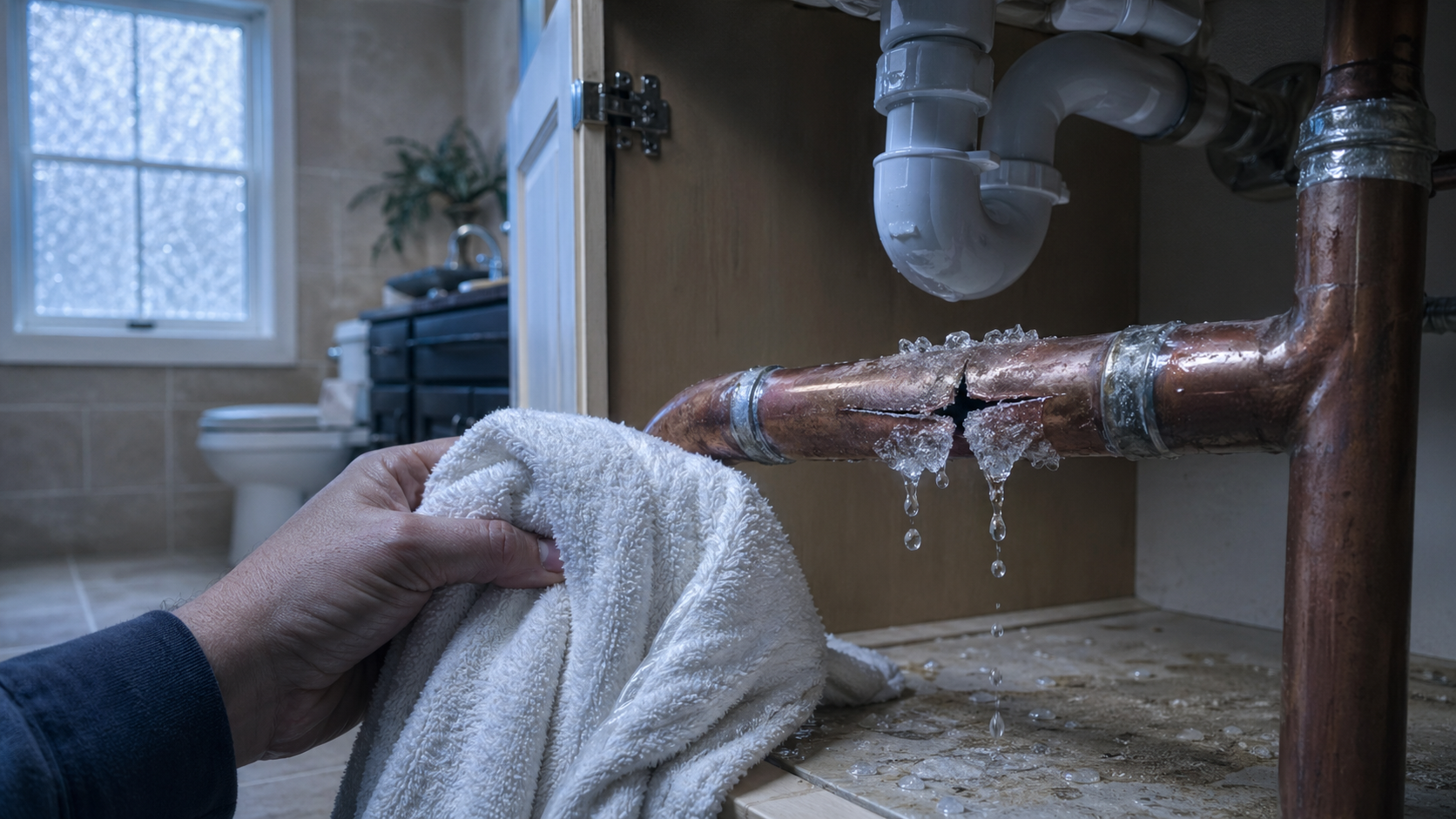
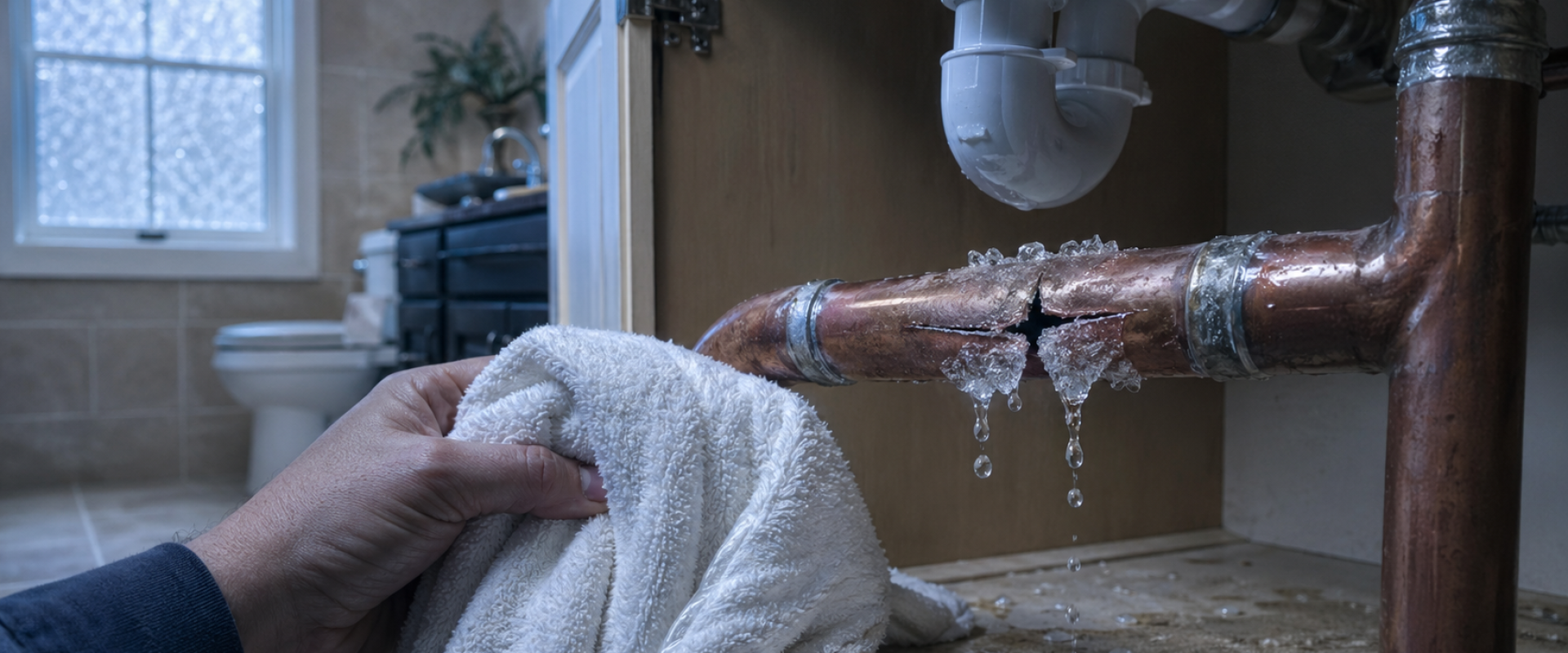
The first few minutes matter. A frozen pipe can turn into a burst pipe if pressure builds inside the line or if the pipe cracks and starts leaking once the ice thaws. If you think a pipe is frozen, stay calm, avoid risky thawing methods, and call a plumber if you cannot safely locate the problem.
Key Takeaways
- Frozen pipes can happen in Georgetown and Central Texas during sudden winter freezes.
- If a faucet has no water or only a small trickle, leave it slightly open and check nearby pipes.
- Never use a torch, open flame, or extreme heat to thaw a frozen pipe.
- Shut off the main water supply if you see leaking, bulging, cracking, or water damage.
- Call Sosa Plumbing Services if the pipe is hidden, damaged, leaking, or difficult to thaw safely.
Why Pipes Freeze in Georgetown and Central Texas
Georgetown does not get long, harsh winters like northern states, but that is part of the problem. Many Central Texas homes are not built with the same level of freeze protection as homes in colder climates. When a sudden cold front drops temperatures below freezing, exposed or poorly insulated pipes can freeze quickly.
Pipes are most at risk when they are located in areas that do not stay warm during cold weather. This can include garages, attics, crawl spaces, exterior walls, outdoor kitchens, irrigation lines, and hose bibs. Even pipes under sinks can freeze if they sit along an exterior wall and the cabinet doors stay closed overnight.
Common reasons pipes freeze in Georgetown include:
- Sudden overnight freezes
- Outdoor faucets that are not covered
- Garden hoses left connected
- Pipes in garages, attics, crawl spaces, or exterior walls
- Poor insulation around older plumbing
- Wind exposure around outdoor plumbing
- Vacant homes with low indoor heat
- Plumbing lines that were not winterized before a cold snap
Even a short freeze can create plumbing problems if the pipe is exposed long enough. That is why Georgetown homeowners should take frozen pipe warnings seriously, even if freezing weather only lasts a night or two.
Signs You May Have a Frozen Pipe
The most obvious sign of a frozen pipe is little or no water from a faucet. If one sink, shower, or toilet stops working during freezing weather, the line feeding that fixture may be frozen.
Sometimes the issue affects only one area of the home. For example, a bathroom along an exterior wall may lose water while the kitchen still works. In other cases, you may notice weak pressure throughout the house.
Watch for these warning signs:
- No water from one faucet
- Only a small trickle comes out
- One bathroom or section of the home has no water
- Frost on visible pipes
- Bulging pipe sections
- Strange sounds when turning on water
- Sudden low water pressure
- Wet spots on floors, walls, or ceilings after thawing begins
- Water running when all fixtures are turned off
If every faucet in your home has no water, check whether neighbors are having the same issue. It may be a larger water supply problem. But if only one area of your home is affected, a frozen pipe is more likely.
What to Do First If You Think a Pipe Is Frozen
If you think a pipe is frozen, do not panic and do not start using extreme heat. Start with simple, safe steps.
First, turn on the affected faucet slightly. Leave it open enough for water to move as the ice begins to thaw. This can help relieve pressure in the line.
Next, check nearby exposed pipes. Look under sinks, in the garage, near exterior walls, around outdoor hose bibs, and anywhere plumbing may be exposed to cold air. If you see frost, bulging, or cracking, stop and call a plumber.
Then, warm the area safely. Turn up the indoor heat if needed. Open cabinet doors under sinks so warm air can reach the pipes. If the frozen pipe is near a garage wall, keep the garage door closed and allow warmer air from the home to help.
Here is what to do first:
- Leave the affected faucet slightly open.
- Check nearby exposed pipes.
- Turn up indoor heat safely.
- Open cabinet doors under sinks.
- Look for leaks, bulging, or cracks.
- Avoid forcing valves or fixtures.
- Call a plumber if the frozen section is hidden or hard to reach.
If you find water leaking, shut off the main water supply right away.
How to Safely Thaw a Frozen Pipe
You should only try to thaw a pipe yourself if the pipe is visible, accessible, and not cracked or leaking. If the pipe is inside a wall, ceiling, attic, slab, or crawl space, it is safer to call a plumber.
For accessible pipes, use gentle heat. Start warming the pipe closest to the faucet and move slowly toward the frozen section. Keeping the faucet slightly open can help you know when water starts moving again.
Safe thawing methods include:
- Warm towels wrapped around the pipe
- A hair dryer on low or medium heat
- A heating pad designed for household use
- A space heater placed safely away from water and flammable materials
- Warm air from the home by opening cabinets or nearby doors
Be patient. It may take time for the ice to thaw. Do not rush the process with dangerous heat.
Never use:
- A blowtorch
- An open flame
- A propane heater too close to the pipe
- Boiling water on fragile or frozen pipes
- Electrical tools near standing water
- High heat that could damage pipe material
Using a torch or open flame can damage the pipe, start a fire, or create a serious safety hazard. If gentle heat does not restore water flow, call Sosa Plumbing Services for help.
When to Shut Off the Water Immediately
In some cases, the safest move is to shut off the main water supply before the problem gets worse. This is especially important if the pipe has already cracked or started leaking.
Shut off the main water valve immediately if:
- You see water leaking
- A pipe has burst
- A pipe is bulging
- A pipe is cracked
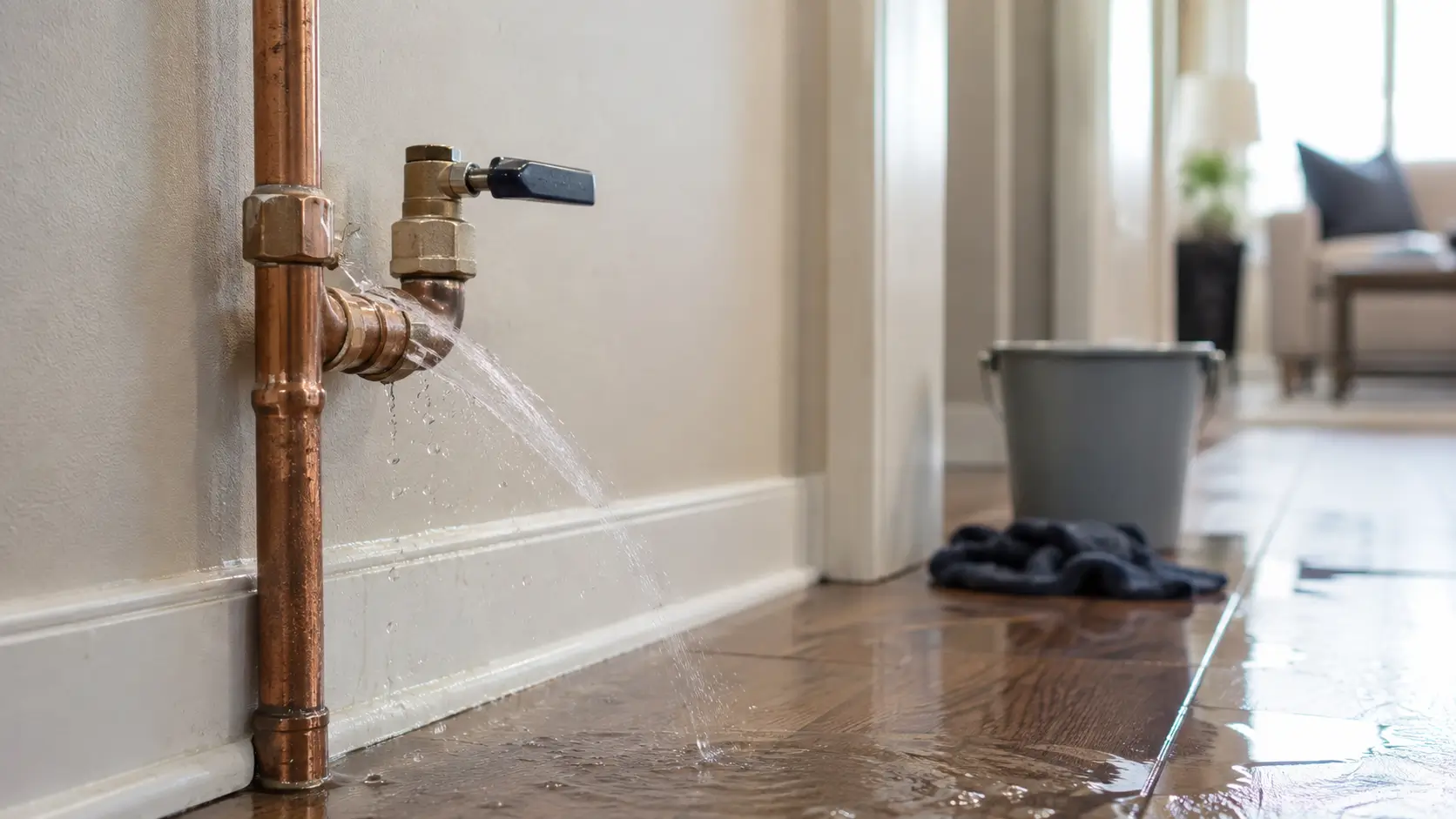
- Water starts spraying after thawing
- You notice wet drywall, flooring, or ceiling stains
- You hear running water when all fixtures are off
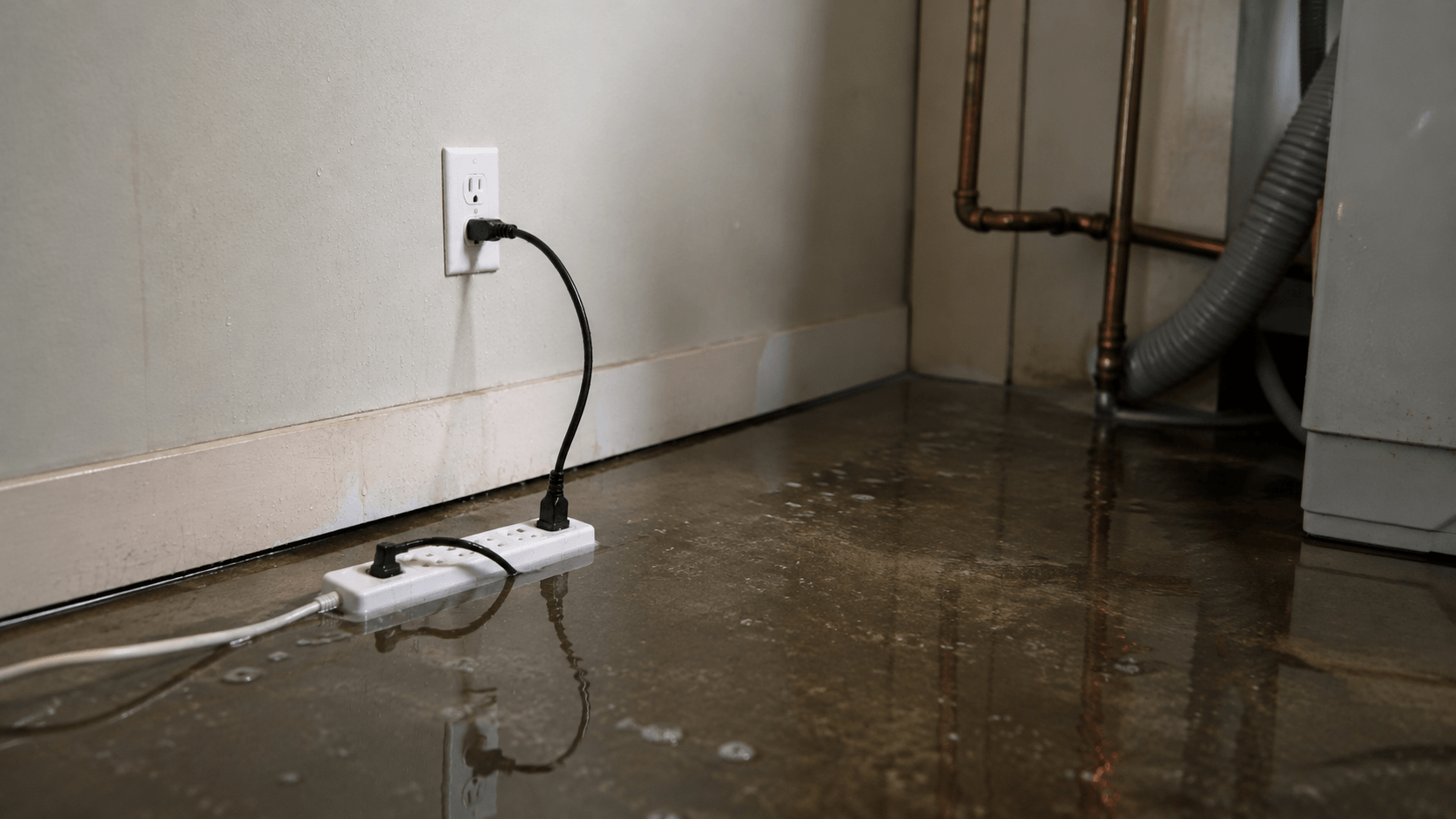
- Water is spreading near electrical outlets or appliances
After shutting off the water, open a nearby faucet to help relieve pressure. Then call a plumber for emergency pipe repair.
If you do not know where your main shutoff valve is, now is the time to find it before the next freeze. Knowing how to shut off the water quickly can prevent major damage during a plumbing emergency.
What Not to Do When Pipes Freeze
Frozen pipes can make homeowners feel rushed, but quick mistakes can make the damage worse. The goal is to thaw the pipe safely and avoid causing a leak, fire, or burst pipe.
Do not use a torch or open flame. This is one of the most dangerous mistakes. It can melt certain pipe materials, damage fittings, or ignite nearby insulation, wood, or other materials.
Do not ignore the frozen pipe and hope it fixes itself. A pipe may thaw later, but if it cracked while frozen, water can begin leaking as soon as flow returns.
Do not close the faucet completely while thawing. Leaving it slightly open helps relieve pressure and allows water to move once the ice begins to melt.
Do not force handles, valves, or fixtures. If something feels stuck, forcing it can break the fixture or pipe connection.
Do not assume everything is fine once water starts flowing. After thawing, check the area carefully for leaks, dripping, water stains, or unusual sounds.
How Frozen Pipes Turn Into Burst Pipes
When water freezes, it expands. That expansion creates pressure inside the pipe. If the pressure becomes too high, the pipe can crack or split.
The pipe does not always burst exactly where the ice is located. Sometimes the split happens nearby where pressure builds. That is why a frozen section in one area may cause a leak somewhere else along the line.
The real damage often appears after the ice thaws. While the pipe is frozen, the ice can block water from escaping. Once the ice melts and water starts flowing again, a crack may begin leaking into a wall, ceiling, cabinet, or floor.
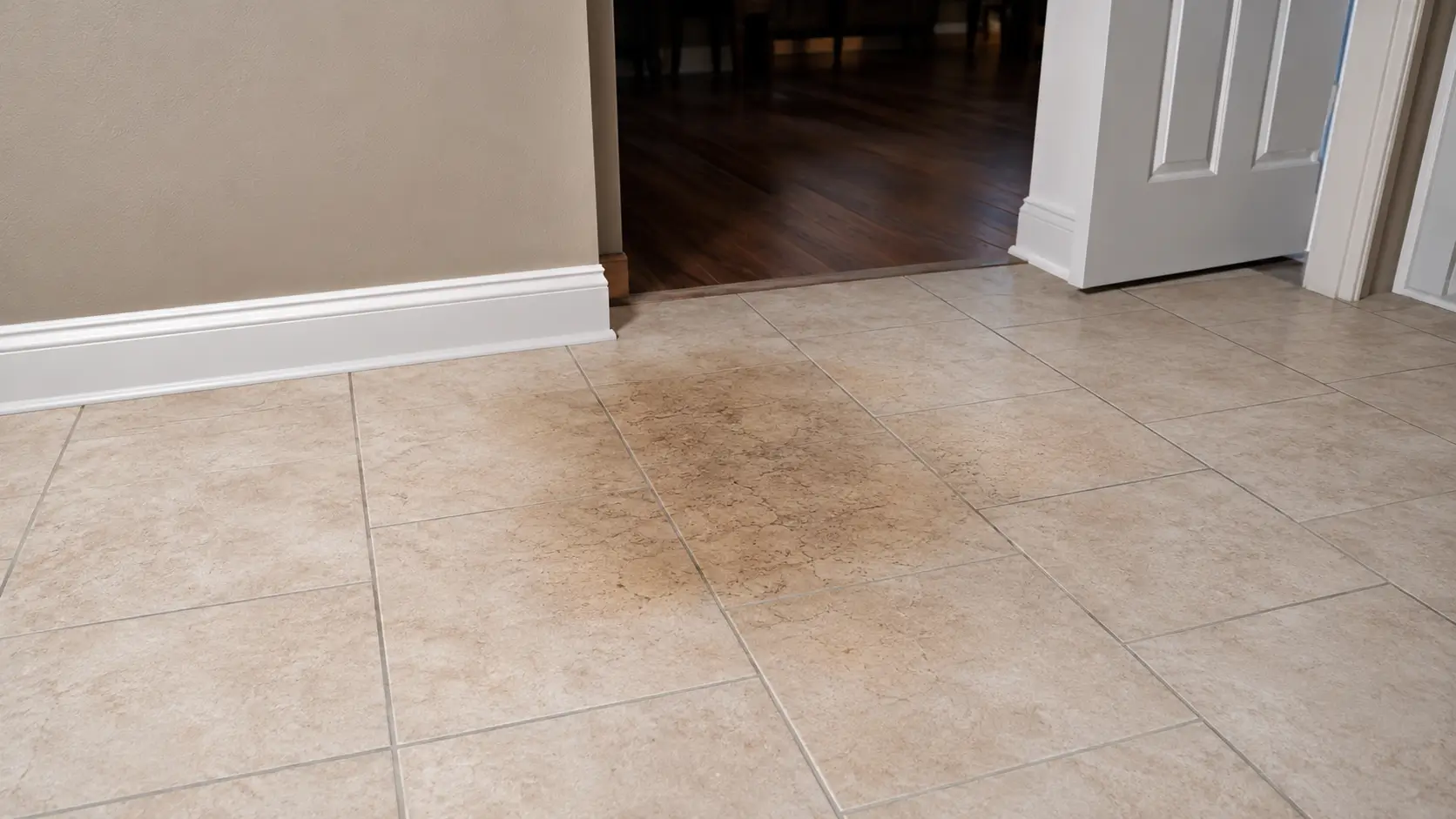
This is why it is important to inspect your home after a pipe thaws. Look for moisture, stains, dripping, musty smells, soft drywall, warped flooring, or sounds of running water.
How to Prevent Frozen Pipes Before the Next Georgetown Freeze
The best way to handle frozen pipes is to prevent them before cold weather arrives. Georgetown homeowners should prepare plumbing before the first hard freeze, not during the freeze.
Start outside. Disconnect garden hoses and cover outdoor faucets. A hose left attached can trap water and increase the chance of freezing near the hose bib.
Then check exposed pipes. Pipes in garages, attics, crawl spaces, and exterior walls should be insulated when possible. Foam pipe insulation is a simple step that can make a big difference during short freezes.
During a hard freeze, let a small stream of water drip from vulnerable faucets. This keeps water moving and reduces pressure in the line. Open cabinet doors under sinks so warm air can reach plumbing along exterior walls.
Helpful freeze prevention steps include:
- Disconnect outdoor hoses
- Cover outdoor faucets
- Insulate exposed pipes
- Keep garage doors closed
- Open sink cabinet doors on cold nights
- Let vulnerable faucets drip during hard freezes
- Keep indoor heat on, even if you are away
- Seal gaps where cold air reaches plumbing
- Know where your main water shutoff valve is
- Schedule a plumbing inspection before winter
If your home has frozen pipes before, it is worth having a plumber inspect the vulnerable areas. There may be insulation gaps, exposed lines, or plumbing routes that need better protection.
When to Call Sosa Plumbing Services for Frozen Pipes in Georgetown, TX
You should call Sosa Plumbing Services if you cannot safely find or thaw the frozen pipe, or if you see any sign of damage. Frozen pipes can be simple in some cases, but hidden pipe damage can quickly turn into water damage.
Call a plumber if:
- You cannot find the frozen section
- The pipe is inside a wall, ceiling, attic, crawl space, or slab
- You see leaking after thawing
- You have no water in part of the home
- A pipe has burst
- The pipe is bulging or cracked
- Water pressure does not return
- You need emergency pipe repair
- You want to prevent future freeze damage
Sosa Plumbing Services helps homeowners in Georgetown, Round Rock, Hutto, Cedar Park, Leander, Austin, Brushy Creek, and nearby Central Texas communities with frozen pipes, burst pipe repair, leak detection, and winter plumbing problems.
If your pipes are frozen or you think a pipe has burst, call Sosa Plumbing Services for fast help from a local plumber.
FAQs About Frozen Pipes in Georgetown, TX
How do I know if my pipes are frozen?
If one faucet has no water or only a small trickle during freezing weather, the pipe feeding that fixture may be frozen. Other signs include frost on visible pipes, sudden low water pressure, bulging pipe sections, or one area of the home losing water.
Should I turn off the water if my pipes freeze?
If there is no leak, you may not need to shut off the water immediately. But if you see leaking, cracking, bulging, spraying water, or water damage, shut off the main water valve right away and call a plumber.
Can I thaw a frozen pipe myself?
You may be able to thaw a visible and accessible pipe using gentle heat, such as warm towels or a hair dryer. Do not use an open flame, torch, or extreme heat. If the pipe is hidden, cracked, or leaking, call a plumber.
What happens if a frozen pipe bursts?
Shut off the main water supply immediately. Avoid electrical hazards, move items away from water if it is safe, and call an emergency plumber for pipe repair and leak detection.
How can I prevent frozen pipes in Georgetown, TX?
Disconnect outdoor hoses, cover hose bibs, insulate exposed pipes, keep indoor heat on, open cabinet doors under sinks, let faucets drip during hard freezes, and know where your main shutoff valve is.