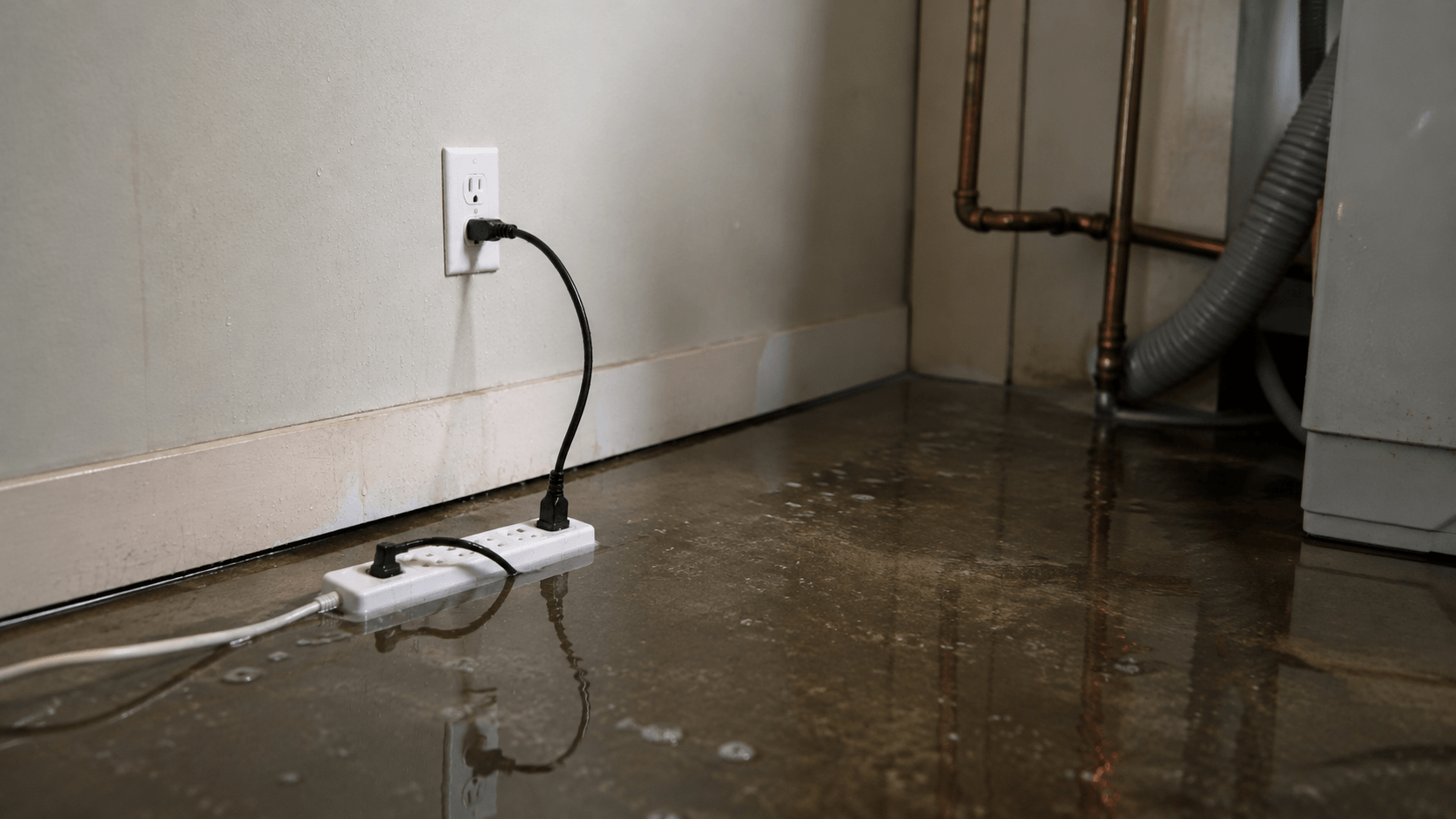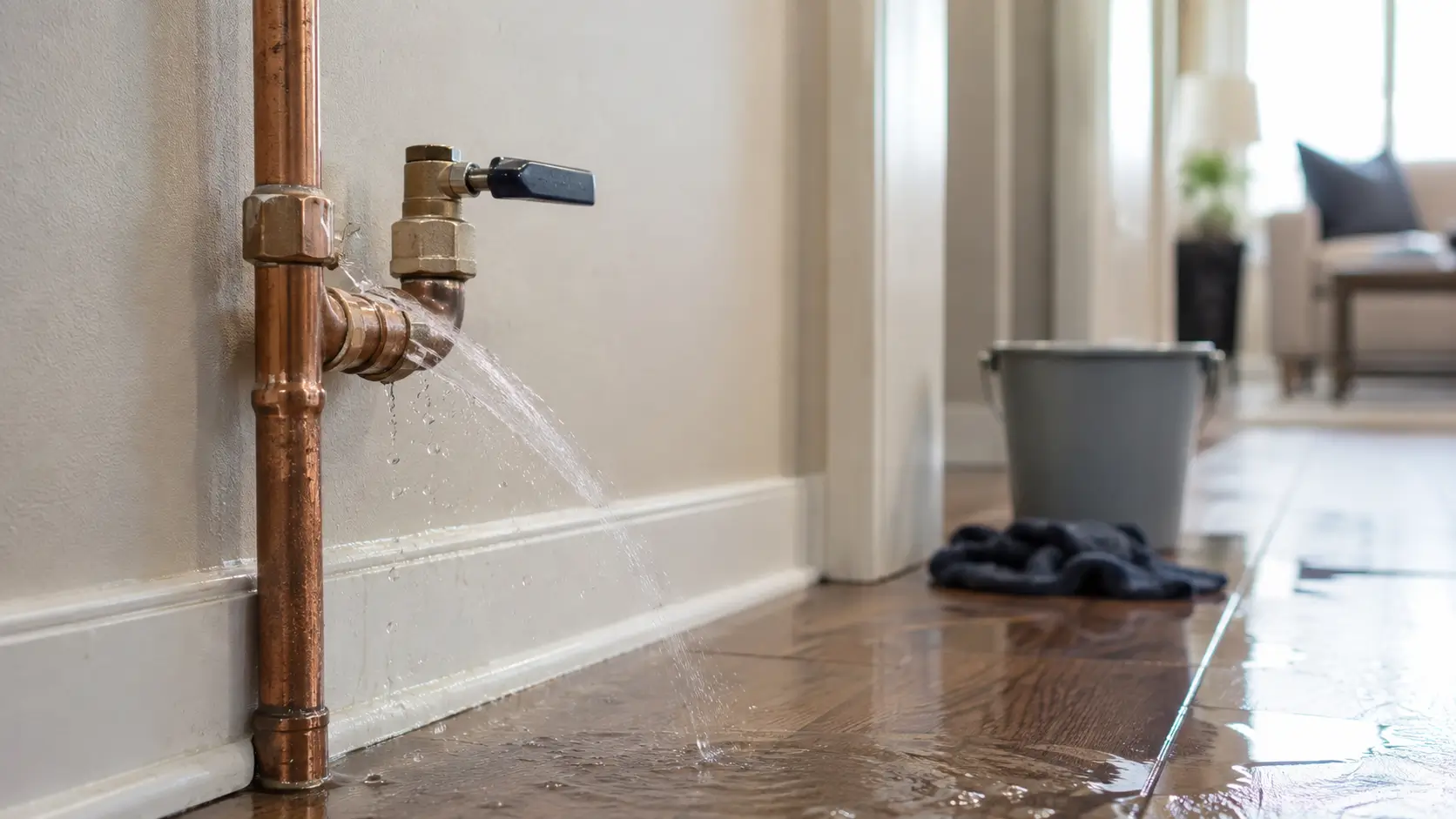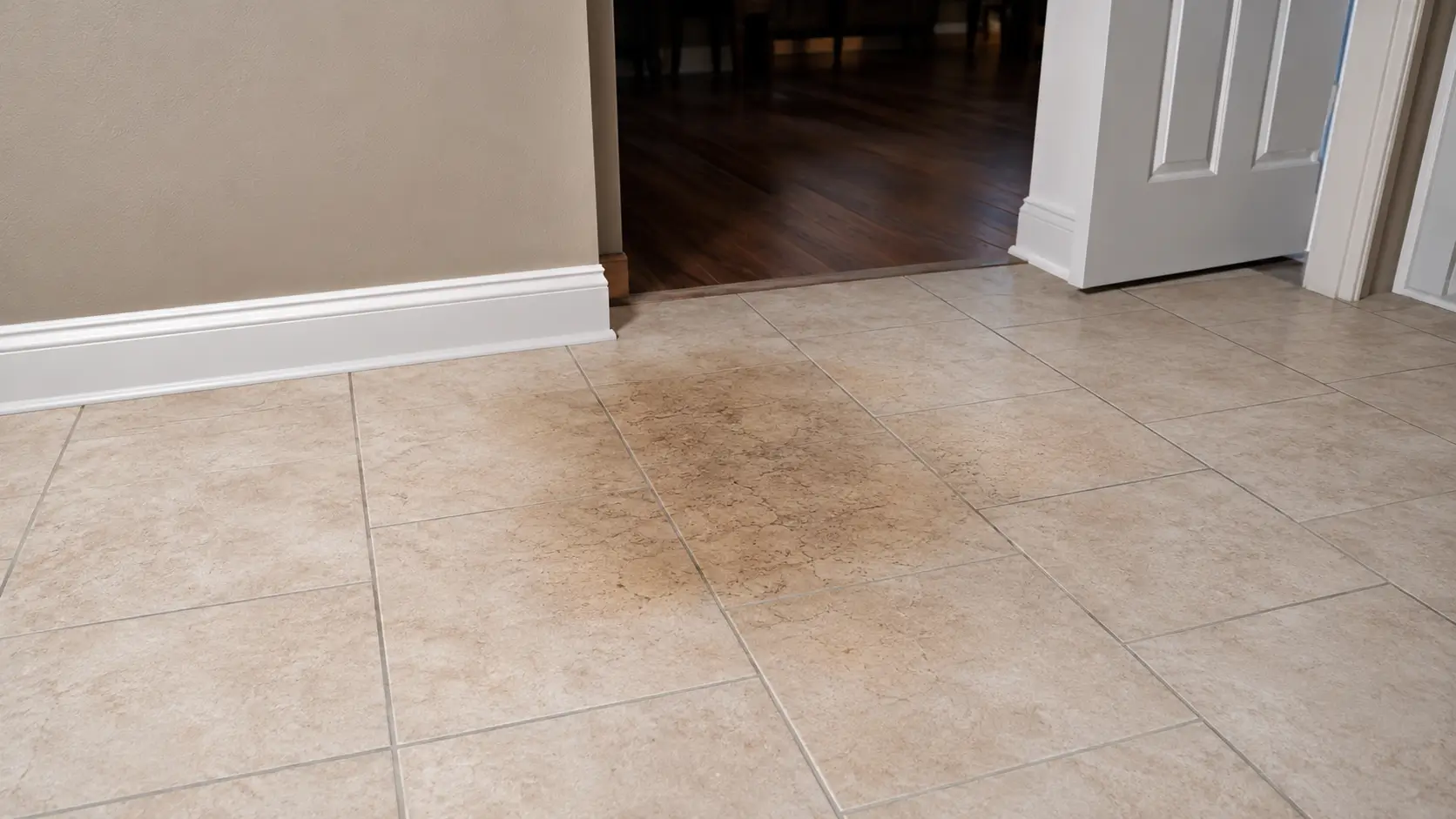
Many homeowners face sudden plumbing crises, and you should check if your policy covers burst pipes and water damage; many policies cover sudden accidental damage while flooding is usually excluded.
Key Takeaways:
- Homeowners insurance in Georgetown typically covers sudden, accidental water damage from burst pipes or similar events, but excludes repairs for routine maintenance, gradual leaks, and wear and tear.
- Flood damage and most sewer backups are excluded from standard policies; separate flood insurance or a sewer-backup endorsement is usually required for those perils.
- Emergency plumber fees and temporary repairs can be reimbursed if they address a covered loss, subject to your deductible and policy limits; document damage, keep receipts, and contact your insurer promptly to verify coverage.
Understanding Standard Homeowners Insurance Coverage
Your homeowners policy often covers sudden, accidental water damage from plumbing, but it usually excludes gradual leaks, routine maintenance, and sewer backups unless you buy endorsements. You should check limits, deductibles, and specific exclusions to see if an emergency repair is covered in Georgetown, TX.
Sudden and Accidental Discharge
Claims for sudden, accidental discharge typically cover immediate water release from broken pipes, burst lines, or appliance failures. You must shut off water, document damage, and contact your insurer promptly to protect coverage and speed emergency repairs in Georgetown, TX.
Distinction Between Maintenance and Emergencies
Insurers deny claims for wear-and-tear or slow leaks caused by neglected upkeep, labeling them maintenance rather than emergencies. You should perform routine inspections and repairs to avoid uncovered damage and emergency denials.
If you delay fixing a slow drip, coverage can be denied because the damage is considered preventable; insurers expect you to maintain systems. You can add endorsements for sewer backup or sudden damage, but documenting maintenance and inspections helps support claims.
Specific Plumbing Risks for Georgetown Homeowners
Georgetown homes face aging pipes, tree-root intrusion and Central Texas hard water that accelerates scale and corrosion; you should expect insurers to scrutinize claims for burst pipes and water damage. Contact a trusted service like Plumber Repair and Water Damage | Austin, TX for documented repairs.
Impact of Central Texas Hard Water on Pipe Longevity
Hard water in Georgetown leaves scale buildup that narrows pipes and raises failure risk; you can see reduced flow, more leaks, and faster corrosion. Maintain water softening records to support claims and show preventative maintenance when filing with insurers.
Winter Freeze Vulnerabilities and Burst Pipe Coverage
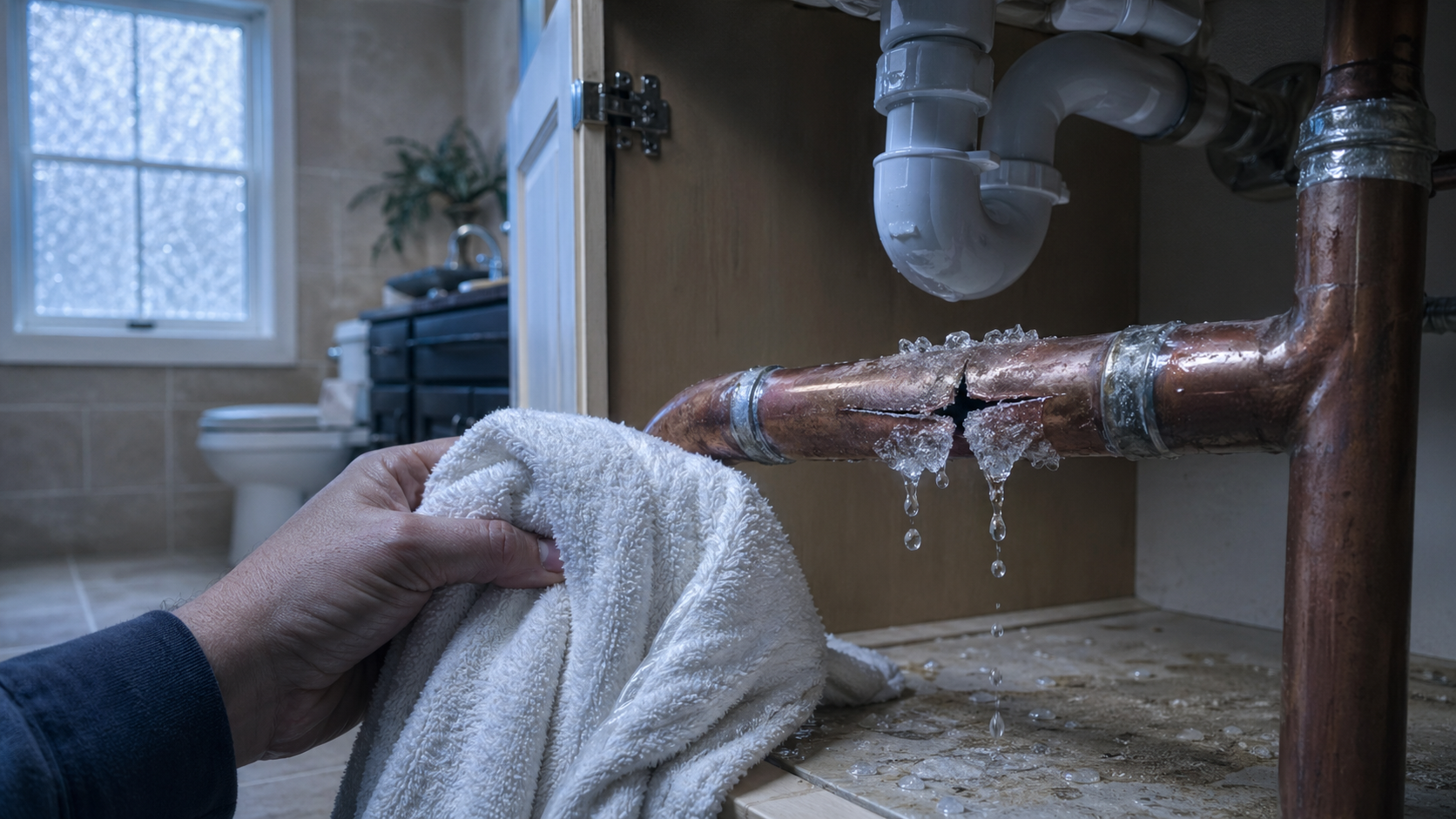
Freezing temperatures can cause burst pipes that flood interiors; insurers often require proof you took reasonable steps to winterize. Keep thermostat logs and repair invoices to strengthen your claim and limit denied coverage.
You should review your homeowner policy for how it defines covered events: most policies cover sudden, accidental burst pipes but exclude damage from long-term neglect or when heat was intentionally shut off. Document winterization efforts, call a licensed plumber immediately for emergency shutoff and repairs, and retain invoices and photos to substantiate emergency claims.
Evaluating Sewer and Drain Backup Protection
Sewer and drain backup protection determines if you get coverage for sewage damage and cleanup; check exclusions and endorsements so you know whether repair and sanitation costs are covered after a backup.
Limitations of Basic Policy Provisions
Basic policies often exclude sewer backups, which can leave you paying for costly repairs and mold remediation unless you add a specific endorsement or rider to your coverage.
Benefits of Water Backup Endorsements
Adding a water backup endorsement can cover pipe backups, sump overflow, and related cleanup, protecting you from high out‑of‑pocket expenses.
You should weigh limits, sublimits, and deductibles when considering water backup endorsements; many provide specific dollar caps and require a separate deductible, so coverage gaps can still exist. You must act quickly after a backup to meet claim conditions and document damage. An endorsement often costs little for the protection of cleanup and repairs, reducing your risk of large out‑of‑pocket bills.
Common Reasons for Insurance Claim Denials
Insurance policies often deny plumbing claims when damage stems from wear, lack of maintenance, or excluded perils; you can face denied coverage for gradual leaks, neglect, and preexisting damage that leads to mold or structural issues.
Gradual Leaks and Seepage Exclusions
Slow leaks and seepage are commonly excluded because insurers view them as ongoing issues; you may be denied even when hidden damage causes mold growth and long-term structural harm, leaving you responsible for remediation costs.
Negligence and Lack of Routine Maintenance
Failure to perform routine maintenance or address known plumbing problems often triggers denials; insurers expect you to take reasonable care, and claims can be rejected for neglect and deferred repairs.
You should document inspections and quick repairs, as carriers often deny claims when evidence shows prolonged neglect; without receipts or service records the insurer may deem the damage your responsibility and deny coverage for preventable mold, rot, or collapsed ceilings.
Navigating the Insurance Claims Process
Claims must be filed promptly; you should notify your insurer, provide your policy number, keep receipts, and clearly explain the cause to support timely review and approval.
Immediate Mitigation Steps to Preserve Coverage
Act fast to shut off your water, move belongings from wet areas, and call a licensed plumber to limit damage; document every mitigation step and save invoices for your claim.
Documenting Damage for Williamson County Adjusters
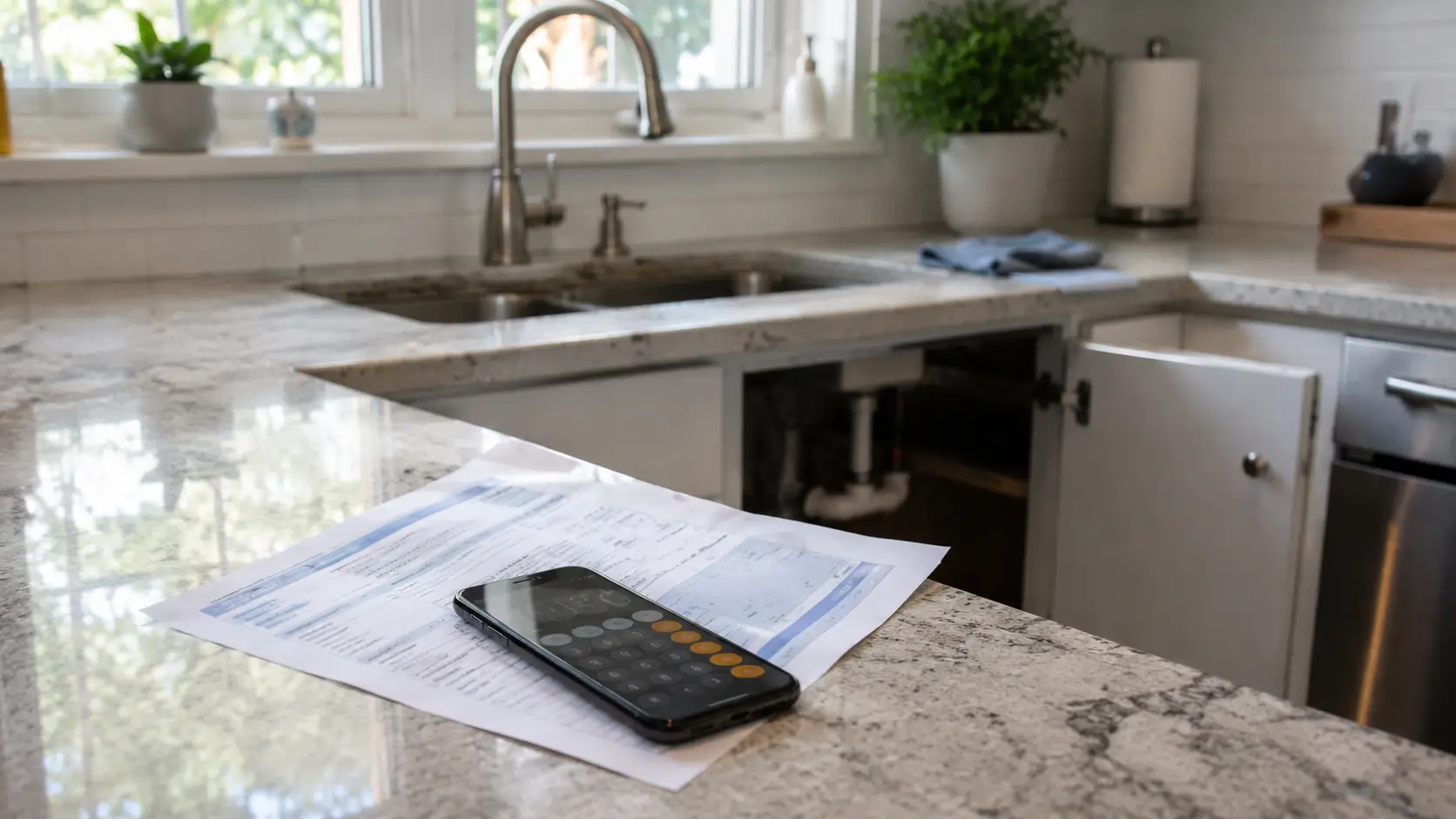
Photograph all areas with time-stamped images, note affected rooms and appliance models, and keep repair estimates and contractor contacts to streamline the adjuster’s inspection.
When you document, start with a time-stamped video walking each room and capturing the leak source, then shoot close-up photos of damaged materials and appliance serial numbers. You should record moisture readings, keep samples of soaked materials, and save all receipts and contractor estimates. Being present during the adjuster’s visit and providing organized files speeds their review and supports full recovery.
Selecting Licensed Plumbers for Insurance Repairs
Always hire a licensed plumber for insurance repairs; insurers typically require licensed, insured contractors to approve claims. You should request license numbers, proof of insurance, and written estimates before work begins to protect your claim and avoid costly denials.
Importance of Detailed Professional Invoices
Detailed invoices must itemize labor, parts, diagnostics, and emergency fees so your insurer can process claims quickly; include license numbers, timestamps, and itemized costs to prevent disputes and denials.
Verifying Local Licensing and Liability Standards
Confirm local license status and liability limits match your insurer’s requirements; unlicensed repairs can void coverage and leave you financially and physically exposed to hazards.
Check the contractor’s credentials against city or state databases, demand proof of current bonding and general liability insurance (often $1M+), and verify worker’s compensation where required. Require permit confirmation for major repairs and insist on documentation for emergency responses; this reduces the chance of claim rejection and protects you from risks like gas leaks or sewage contamination.
Final Words
Plumbing emergencies are stressful, expensive, and often unexpected. In Georgetown, TX, most homeowners insurance policies cover sudden and accidental water damage like burst pipes or appliance failures. However, gradual leaks, wear and tear, flooding, and sewer backups are typically excluded unless you have added endorsements. The difference between a covered claim and a denial often comes down to documentation, maintenance history, and how quickly you respond.
The most important steps you can take are simple: review your policy now, understand your deductibles and exclusions, maintain your plumbing system regularly, and act immediately when damage occurs. Fast shutoff, professional repairs, and clear documentation protect both your home and your insurance claim.
If you’re facing a plumbing emergency in Georgetown, TX, you need a licensed professional who understands both rapid mitigation and insurance-friendly documentation. Sosa Plumbing Services provides prompt emergency plumbing repairs, detailed invoices for insurance claims, and experienced technicians who know how to stop damage before it spreads.
When water is pouring and time matters, trust a local team that responds quickly and helps protect your home—and your claim.