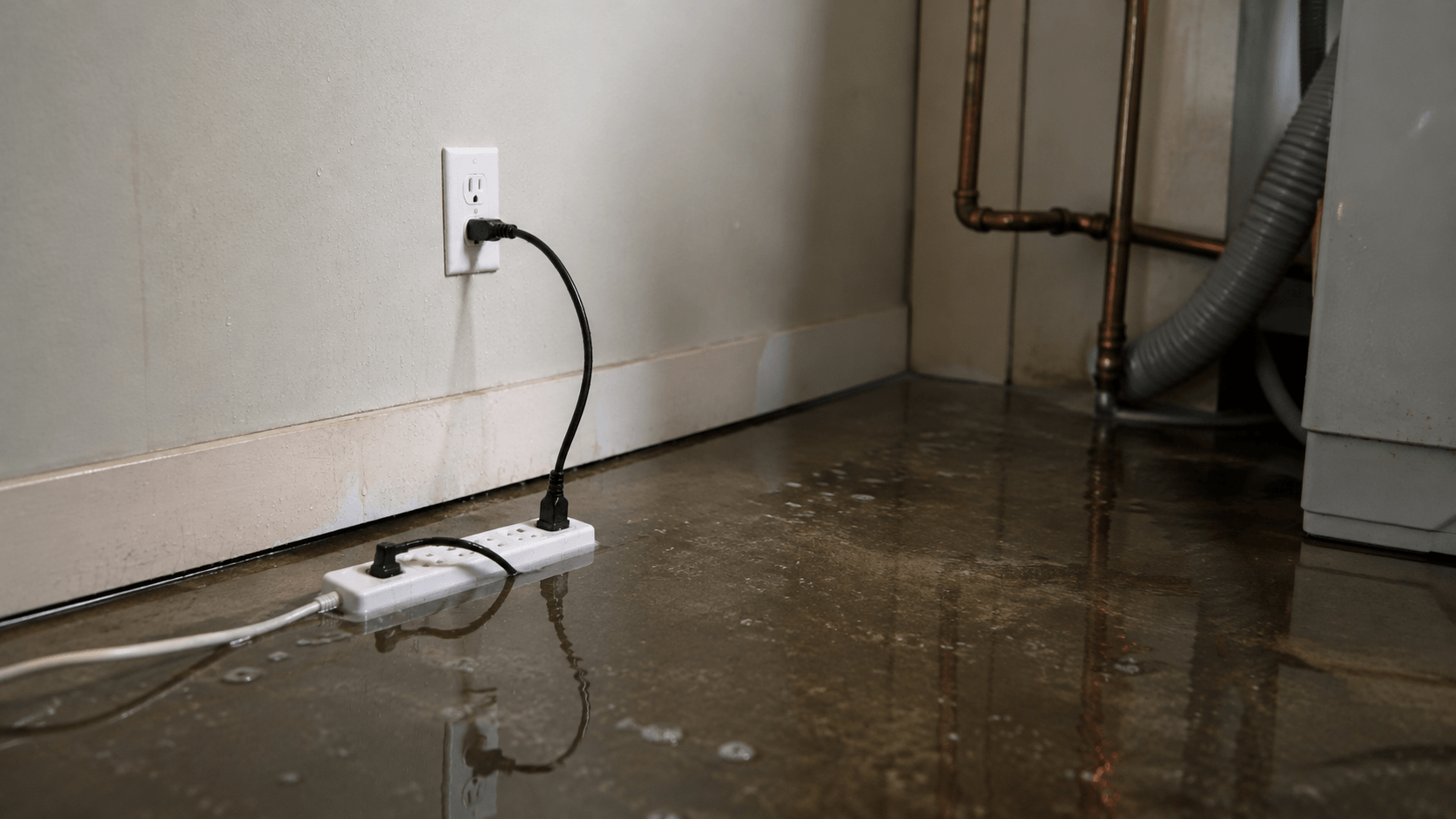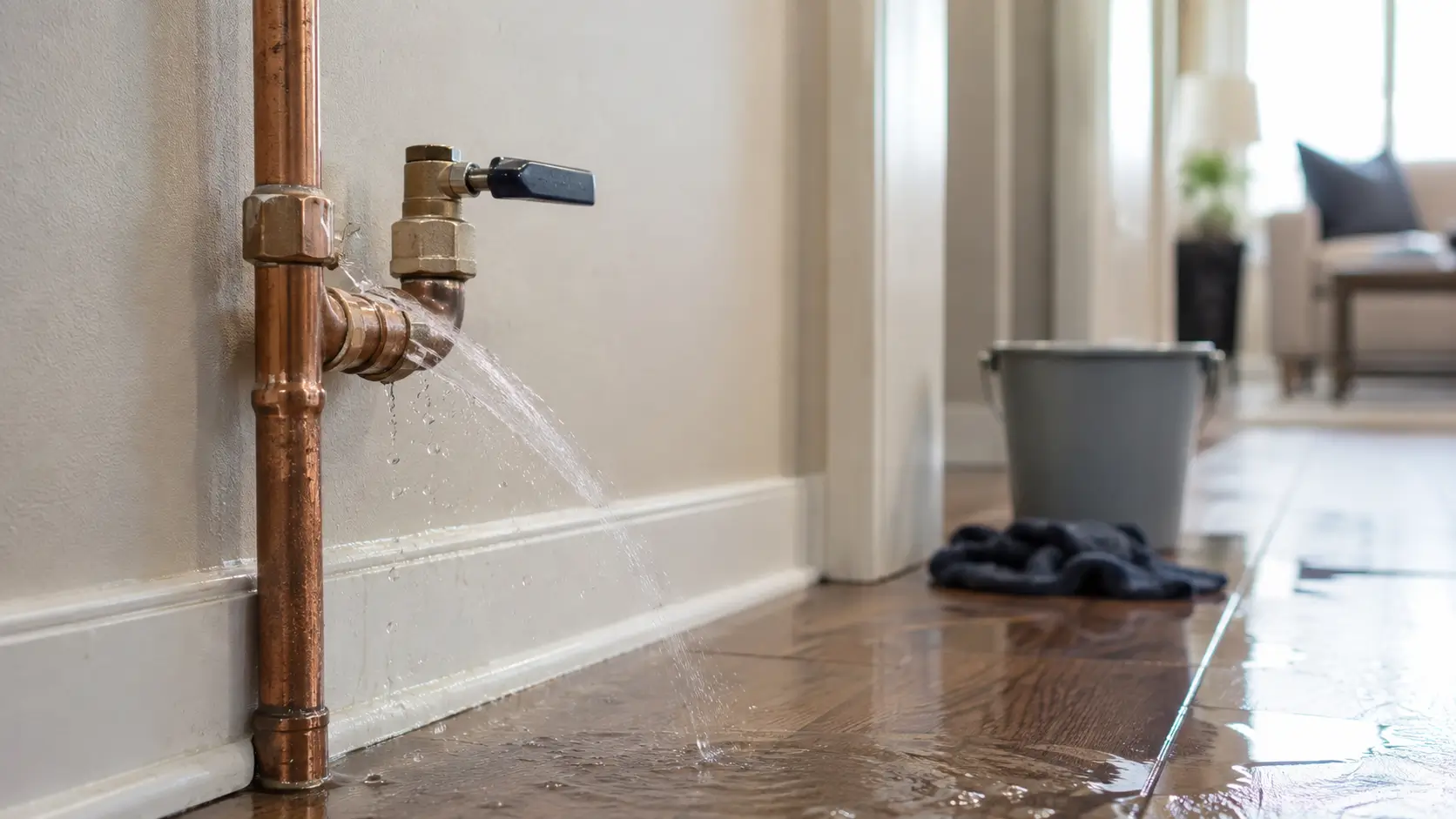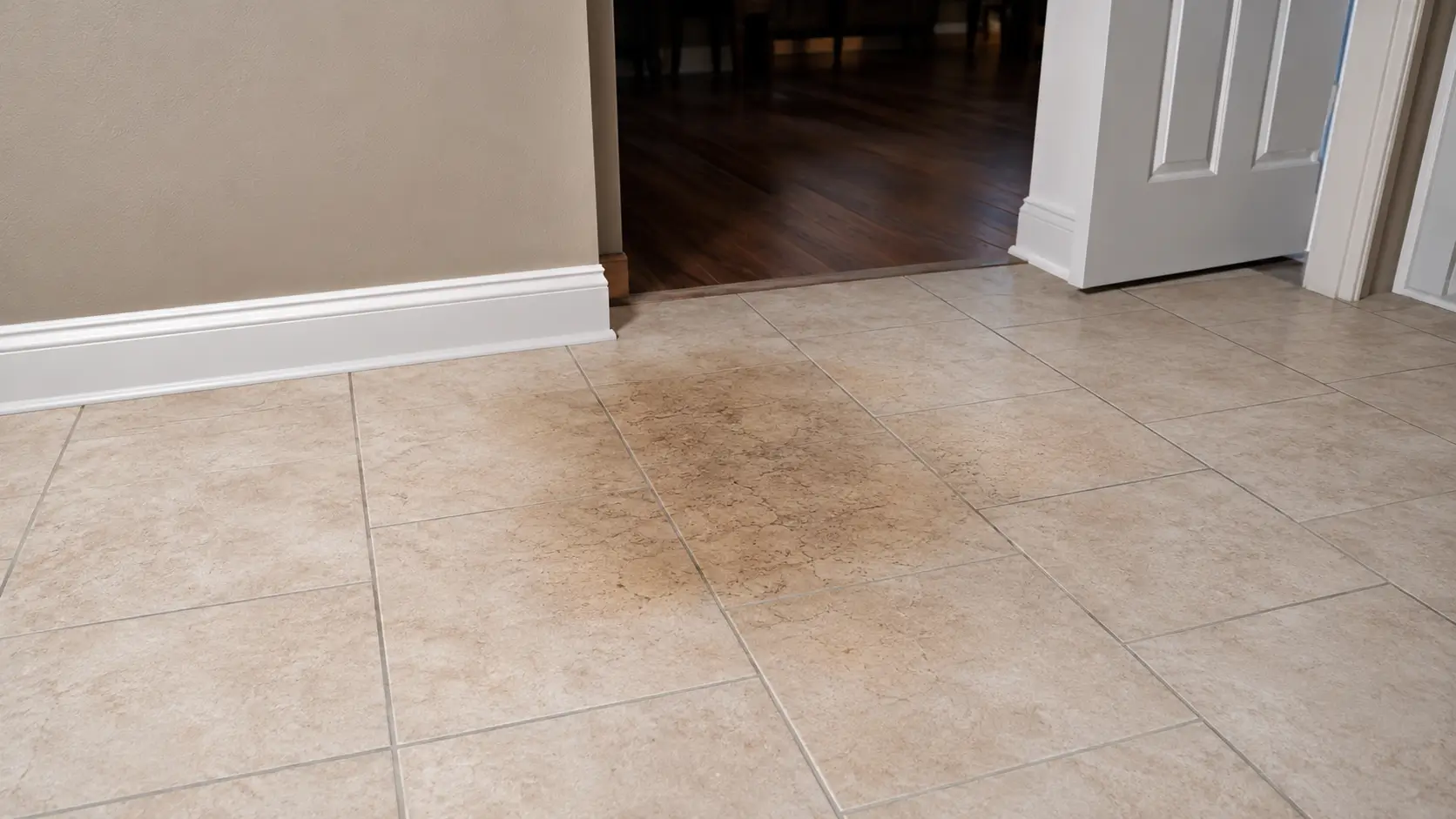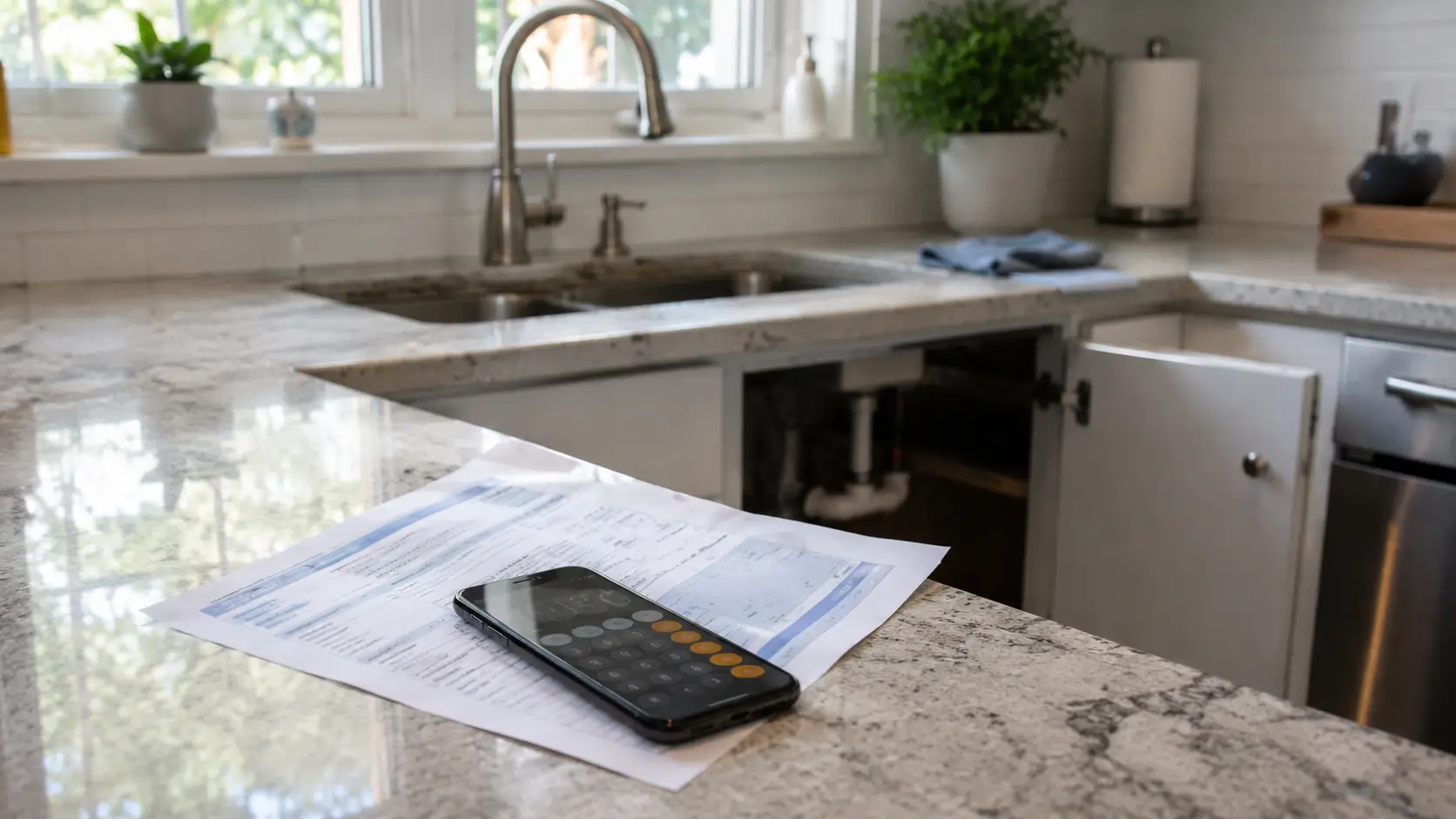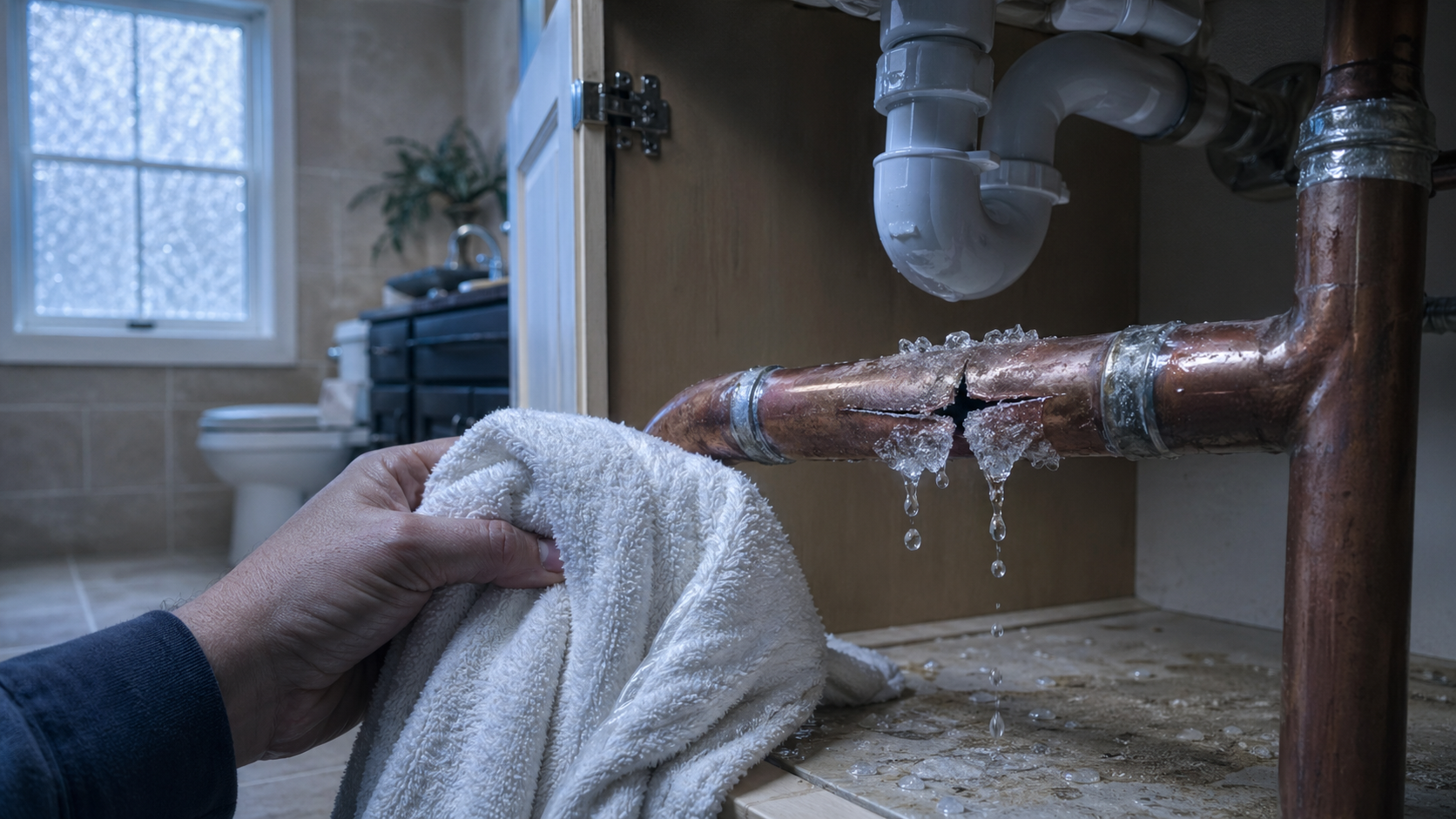
A slab leak is one of those plumbing problems homeowners usually do not see right away. The pipe is under the concrete foundation, so the first warning sign is not always water on the floor.
Sometimes it starts with a warm spot under your feet. Sometimes it is a musty smell near the baseboards. Other times, the only clue is a water meter that keeps moving even though every faucet is off.
For Georgetown homeowners, catching these signs early matters. A hidden leak under the slab can waste water, damage flooring, affect walls or baseboards, and make the repair more complicated if it is ignored for too long.
Here are the signs to watch for and what to do if you think your home may have a slab leak.
Quick Takeaways
- A slab leak happens when a water line under the concrete foundation begins leaking.
- Common warning signs include warm floor spots, damp flooring, musty smells, low water pressure, and water sounds when nothing is running.
- A sudden water bill increase can be one clue, but it should not be the only thing you look for.
- Do not start tearing up flooring or walls without proper leak detection.
- A plumber can use diagnostic tools to narrow down the leak location and explain repair options.
What Is a Slab Leak?
A slab leak is a plumbing leak that happens under the concrete slab foundation of a home.
Many Texas homes have plumbing lines that run beneath or through the slab. If one of those lines cracks, separates, corrodes, or shifts out of place, water can begin leaking under the foundation.
The leak may come from a hot water line, cold water line, or drain line. Hot water slab leaks are often easier to notice because they can create warm spots on the floor. Cold water leaks may be harder to detect because they do not always create an obvious surface change.
The biggest problem is that the leak is hidden. By the time a homeowner notices signs inside the house, the leak may have been active for a while.
Sign #1: A Warm Spot on the Floor
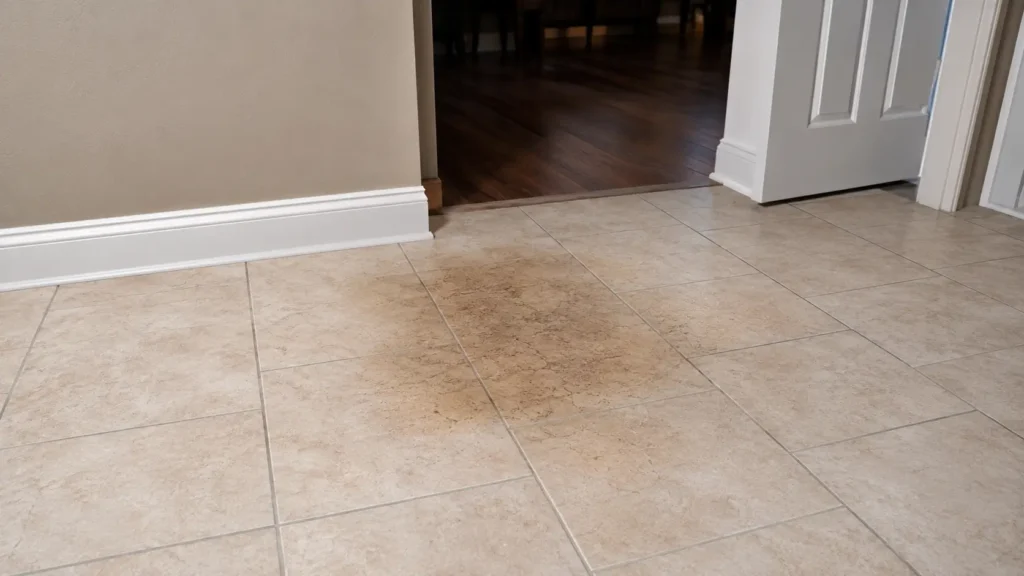
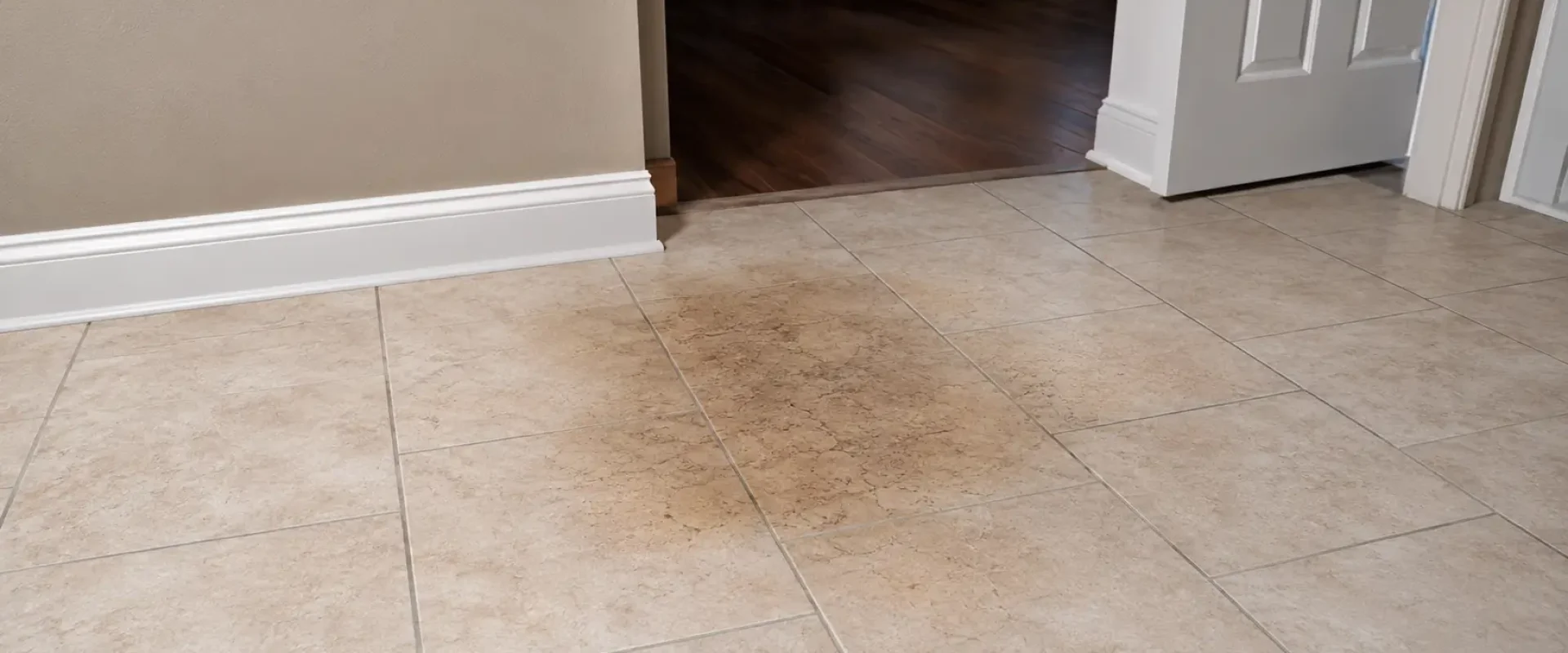
A warm spot on the floor is one of the most common signs of a hot water slab leak.
You may notice it while walking barefoot across tile, laminate, hardwood, or carpet. One area may feel warmer than the rest of the room even when there is no sunlight hitting that spot.
This does not always mean there is a slab leak, but it is worth checking if:
- The warm spot stays in the same area
- The floor feels warm even when the room is cool
- Your water heater seems to run more than usual
- Your water bill has increased
- You hear water moving when no fixtures are on
If the warm area is near a bathroom, kitchen, laundry room, or hallway where plumbing lines may run, it is a stronger reason to schedule an inspection.
Sign #2: Damp Flooring or Soft Spots
A slab leak does not always create a puddle. Sometimes the moisture shows up slowly.
Watch for flooring that feels damp, soft, swollen, or uneven. Carpet may feel wet in one area. Wood or laminate may start cupping, lifting, or separating. Tile may feel loose or sound hollow when stepped on.
These signs can also come from other issues, such as an appliance leak or bathroom fixture leak. But if the damp area is not near an obvious source, a hidden plumbing leak should be considered.
Do not ignore moisture near floors. Water that sits for too long can damage flooring materials and create conditions for odors or further home damage.
Sign #3: Musty Smells Near Floors or Baseboards
A musty smell can be a clue that moisture is trapped somewhere it should not be.
With slab leaks, the odor may be strongest near:
- Baseboards
- Hallways
- Closets
- Bathrooms
- Laundry rooms
- Areas with carpet
- Corners where air does not move well
The smell may come and go at first. It may seem worse after the home has been closed up for several hours.
A musty odor does not automatically prove there is a slab leak, but it is a sign that moisture may be present. If you also notice floor changes, water bill increases, or low pressure, it is time to investigate further.
Sign #4: Baseboards or Flooring Start to Lift
Hidden water can affect the materials closest to the floor.
You may see:
- Baseboards pulling away from the wall
- Paint bubbling near the lower wall
- Trim swelling or warping
- Flooring edges lifting
- Gaps between planks
- Stains near the bottom of the wall
These symptoms can be easy to dismiss as normal wear, especially in older homes. But if the change appears suddenly or continues to get worse, it may be connected to moisture under or near the slab.
Sign #5: Low Water Pressure
A slab leak can cause a drop in water pressure, especially if the leak is active and significant.
You may notice:
- The shower feels weaker
- Faucets do not flow as strongly
- Pressure changes when more than one fixture is used
- Hot water pressure is lower than cold water pressure
- One side of the home seems more affected than another
Low water pressure can also come from mineral buildup, fixture problems, valve issues, or city-side water concerns. But if it appears with other slab leak signs, it should not be brushed off.
Sign #6: Water Sounds When Nothing Is On
If you hear water running, hissing, or rushing when every fixture is turned off, pay attention.
Check that no toilets, faucets, showers, appliances, or irrigation zones are running. If the sound continues, it may point to water moving somewhere in the plumbing system.
The sound may be heard near:
- Floors
- Walls
- Bathrooms
- Kitchen areas
- Laundry rooms
- Water heater locations
This is one of those signs homeowners should take seriously because it suggests water may be moving even when the home is not actively using water.
Sign #7: Your Water Meter Keeps Moving
Your water meter can help confirm whether water is moving when it should not be.
Turn off all water inside and outside the home. Make sure the dishwasher, washing machine, irrigation system, faucets, showers, and toilets are not running. Then check the meter.
If the meter continues moving while everything is off, there may be a leak somewhere on the property.
This does not tell you exactly where the leak is. It could be a toilet, irrigation line, main line, fixture leak, or slab leak. But it is a useful sign that the issue needs to be narrowed down.
Sign #8: Cracks, Shifting, or Wet Areas Near the Foundation
A slab leak can sometimes show signs around the home’s foundation or nearby soil.
Look for:
- Wet soil near the foundation
- Soggy areas that do not dry out
- Unusual settling near the home
- New cracks in flooring or walls
- Water appearing near the edge of the slab
- One part of the yard staying damp without irrigation
Georgetown and Central Texas homes can have soil and drainage conditions that make leaks harder to notice at the surface. That means you should not rely only on visible puddles before calling for help.
Why Slab Leaks Happen
Slab leaks can happen for several reasons. Some are related to the plumbing system itself. Others are connected to movement around the home.
Possible causes include:
- Pipe corrosion
- Soil movement
- Foundation shifting
- Pressure changes in the plumbing system
- Poor pipe installation
- Abrasion from pipes rubbing against concrete, gravel, or other materials
- Aging plumbing lines
- Hard water or mineral-related wear in some systems
The cause matters because it can affect the repair recommendation. A small isolated leak may call for a different solution than repeated problems in an aging line.
What Not to Do If You Suspect a Slab Leak
If you think there may be a slab leak, do not start cutting into walls or pulling up flooring right away.
Avoid these mistakes:
- Do not ignore signs because there is no visible puddle
- Do not assume the problem is only the flooring
- Do not rely on temporary patching if the leak source is unknown
- Do not let water keep running if damage is active
- Do not guess where the pipe is located
- Do not delay if the water meter keeps moving
The better route is to confirm whether there is an active leak and narrow down the location before opening up the home.
How Plumbers Find a Slab Leak
A plumber does not have to guess blindly.
Depending on the situation, leak detection may include:
- Checking the water meter
- Testing water pressure
- Listening for leak sounds
- Inspecting flooring, baseboards, and wall signs
- Looking for temperature changes
- Using thermal imaging where helpful
- Performing hydrostatic testing when needed
- Isolating plumbing lines to narrow down the source
The goal is to find the leak as accurately as possible so the repair plan is based on evidence, not guesswork.
Slab Leak Repair Options
The best repair option depends on where the leak is, what type of pipe is affected, and the condition of the plumbing system.
Common options may include:
Spot Repair
A spot repair targets the specific leak location. This may be recommended when the pipe is otherwise in good condition and the leak is isolated.
Pipe Reroute
A reroute may be used when accessing the line under the slab is not the best option. Instead of repairing the pipe under the concrete, a new line may be routed through a different path.
Line Replacement
If the affected line is aging, damaged in multiple areas, or likely to leak again, replacing a larger section may be the better long-term option.
A good plumber should explain the options clearly, including why one repair makes more sense than another for your home.
When Should You Call Sosa Plumbing Services?
Call Sosa Plumbing Services if you notice signs such as:
- Warm floor spots
- Damp flooring
- Musty odors
- Lifting baseboards
- Low water pressure
- Water sounds when fixtures are off
- A meter that keeps moving
- Soggy areas near the foundation
- A sudden water bill increase with no clear reason
Sosa Plumbing Services provides leak detection and repair in Georgetown, TX and nearby areas. The team can inspect the problem, locate the likely source, and explain the repair options before moving forward.
Final Thoughts
A slab leak is not always dramatic at first. It may start with a small floor change, a strange sound, or a water meter that keeps moving when everything is off.
The sooner you check it, the better. Early leak detection can help prevent unnecessary damage and make the repair process clearer.
If your Georgetown home is showing signs of a possible slab leak, schedule a plumbing inspection before the problem spreads.