No hot water can throw off the whole house. Showers get cut short, dishes pile up, laundry gets delayed, and everyone starts asking the same question:
Should we repair the water heater, or is it time to replace it?
The answer depends on what failed, how old the unit is, whether the tank is leaking, how often it has needed repairs, and whether your home’s hot water needs have changed. Some water heater problems are simple repairs. Others are warning signs that replacement may be the smarter choice.
Here is how Georgetown homeowners can think through the decision before scheduling service.
Quick Takeaways
- Repair may make sense if the water heater is newer, the tank is not leaking, and the problem is limited to a replaceable part.
- Replacement may be better if the tank is leaking, the system is old, repairs keep happening, or hot water demand has outgrown the unit.
- No hot water is not always an emergency, but a leaking water heater or active water damage should be handled quickly.
- Hard water in Central Texas can contribute to scale and sediment buildup, which may affect water heater performance.
- A plumber can inspect the unit and explain whether repair, replacement, or a tankless upgrade makes the most sense.
Start With the Main Question: Is the Tank Leaking?
If you have a traditional tank water heater, the first thing to check is whether the tank itself is leaking.
Look around the base of the unit. Check the floor, nearby walls, drain pan, fittings, and pipe connections.
A little moisture from a fitting or valve may be repairable. But if the tank itself is leaking, replacement is usually the practical option because the tank is the main body of the unit.
Call a plumber quickly if you notice:
- Water pooling around the base
- Rusty water near the tank
- Moisture coming from the lower part of the unit
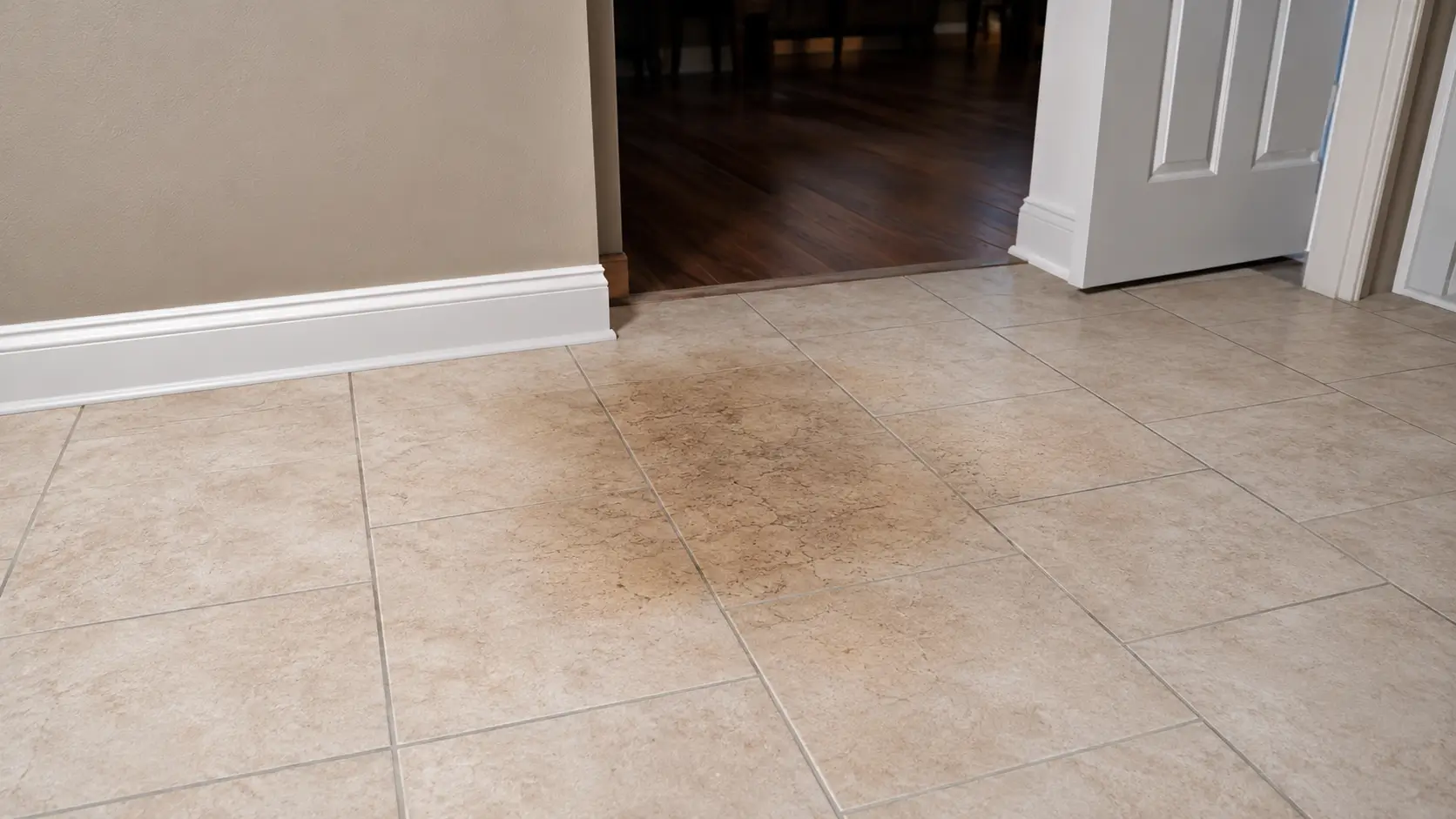
- Wet drywall or flooring nearby
- Water spreading from the water heater area
- A leak that returns after being wiped up
A leaking tank should not be ignored. Even a small leak can become a bigger water damage problem.
When Water Heater Repair May Make Sense
Repair is often worth considering when the unit is still in decent condition and the issue is limited.
A repair may make sense if:
- The water heater is not very old
- The tank is not leaking
- The issue started recently
- The repair is minor
- Hot water demand has not changed
- The unit has not needed repeated service
- There are no major rust or corrosion signs
- The plumber can clearly identify the failed part
Common repairable issues may include:
- Faulty thermostat
- Heating element problem
- Pilot light or ignition issue
- Gas control issue
- Loose or leaking connection
- Pressure relief valve issue
- Minor pipe or fitting leak
- Sediment-related performance issue
The key is whether the problem is isolated. If the unit is otherwise working well, repair can often restore hot water without replacing the full system.
When Replacement May Be the Better Choice
Replacement may be the better route when the water heater is showing signs of age, damage, or repeated failure.
Consider replacement if:
- The tank is leaking
- The unit is near or past its expected service life
- Repairs are becoming frequent
- Hot water runs out too quickly
- The unit makes loud popping or rumbling sounds
- Rust appears around the tank or water connections
- Water looks rusty or discolored
- The system struggles after normal household use
- Repair costs are no longer worth it
- Your household needs more hot water than before
A water heater that keeps failing can cost more over time than replacing it with a properly sized system.
Signs Your Water Heater May Only Need Repair
Not every water heater problem means the unit is done.
Here are signs a repair may be enough.
The Water Is Not Hot Enough
If the water is lukewarm but not completely cold, the issue may be a thermostat, heating element, burner, gas supply, or sediment problem.
The Pilot Light Keeps Going Out
For some gas water heaters, this may point to an ignition or gas control issue. A plumber can inspect the system safely and determine what failed.
Hot Water Runs Out Faster Than Usual
This can happen when sediment builds up in the tank or when a component is not working properly. It may also mean the water heater is undersized for current use.
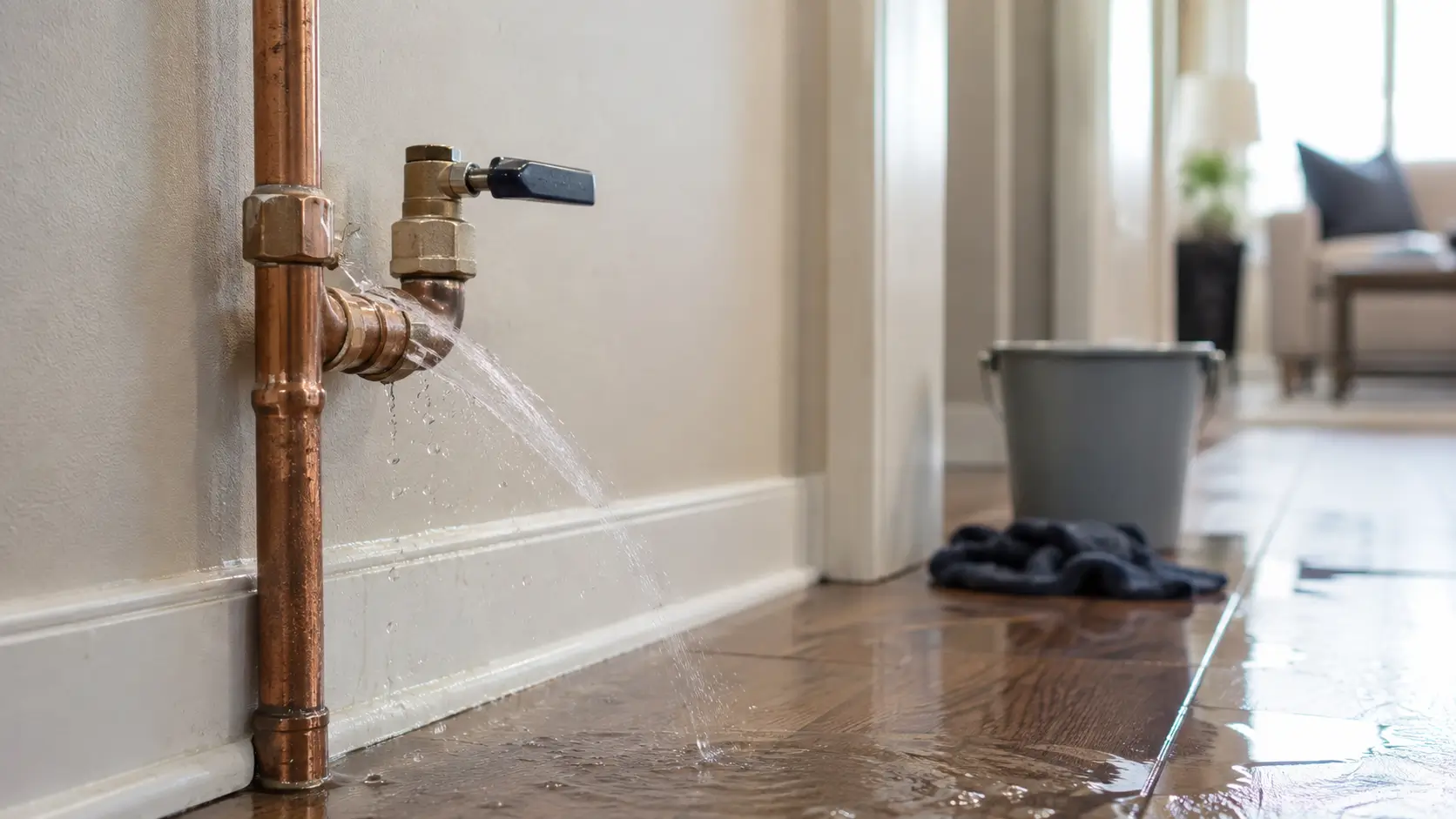
A Pipe or Valve Is Leaking
A leak near a connection, valve, or supply line may be repairable. The important part is confirming the leak is not coming from the tank itself.
The Breaker Trips
For an electric water heater, a tripping breaker may point to an electrical or heating element issue. This should be checked carefully and safely.
Signs You May Need a New Water Heater
Some symptoms are stronger signs that replacement should be discussed.
Water Around the Base of the Tank
This is one of the biggest warning signs. If the tank is leaking, repair is usually not a lasting solution.
Rust or Corrosion
Rust around the tank, fittings, or hot water supply may suggest the system is deteriorating. Rust-colored hot water should also be inspected.
Loud Popping or Rumbling
Noise can come from sediment buildup inside the tank. The longer sediment sits, the harder the water heater may have to work.
Repeated Repairs
One repair may be reasonable. Repeated repairs are different. If the unit keeps failing, replacement may be more practical.
Not Enough Hot Water for the Home
If your family has grown, your schedule changed, or you added fixtures, your current water heater may no longer match your needs.
How Georgetown’s Hard Water Can Affect Water Heaters
Hard water is common in many Central Texas homes. Hard water contains minerals that can leave scale on fixtures, appliances, and plumbing systems.
Inside a tank water heater, mineral sediment can settle at the bottom. Over time, that buildup may contribute to:
- Popping or rumbling noises
- Reduced heating efficiency
- Less available hot water
- Longer recovery time
- More wear on the system
- More frequent maintenance needs
Sosa’s Georgetown plumbing page notes that hard water can create mineral buildup inside fixtures, appliances, and plumbing systems, including water heaters.
If your home has hard water issues, it may be worth asking about water softener options when discussing water heater performance.
What If You Are Considering a Tankless Water Heater?
If your current water heater is failing, this can be a good time to compare a tank system with a tankless option.
A tankless water heater heats water as needed instead of storing a full tank of hot water. This can be a good fit for some homes, especially where space, hot water demand, or energy use is part of the decision.
Tankless may be worth discussing if:
- You want a space-saving option
- Your home often runs out of hot water
- You are already replacing an older system
- You want to compare long-term maintenance needs
- Your home’s plumbing and gas or electrical setup can support it
Tankless is not automatically the right answer for every home. Installation requirements, household demand, maintenance, and upfront cost all matter. A plumber can help compare options based on your actual setup.
When a Water Heater Problem Becomes Urgent
Some water heater issues can be scheduled. Others should be handled quickly.
Call for faster help if:
- The tank is leaking
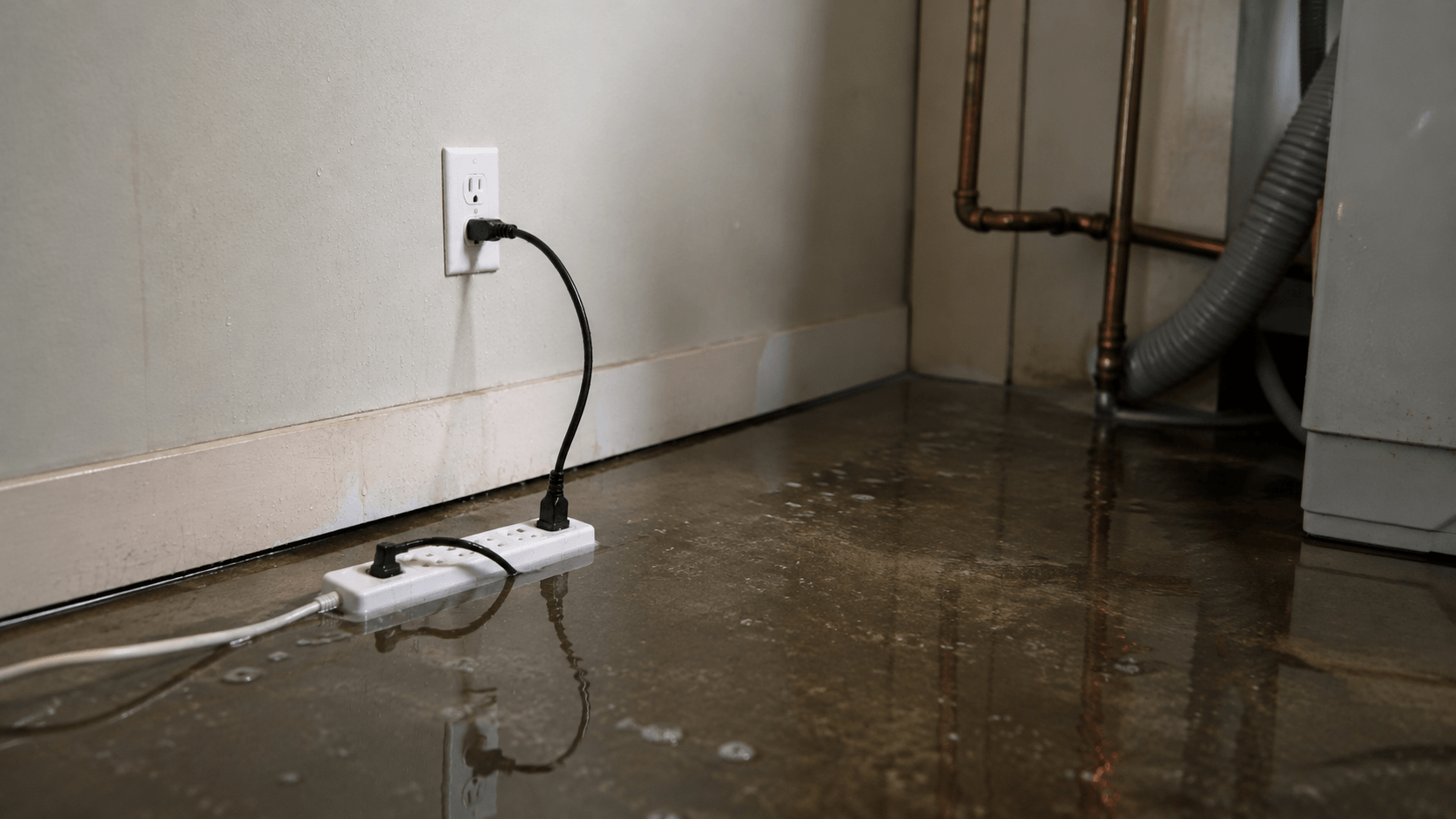
- Water is spreading across the floor
- The water heater is near electrical equipment
- You smell gas near the unit
- There is no hot water and the issue affects basic household needs
- You hear unusual sounds and see water around the unit
- The pressure relief valve is releasing water repeatedly
- The unit is connected to visible water damage
Sosa’s emergency plumbing page includes no-hot-water calls and leaking or failed water heaters among urgent plumbing problems they handle.
If there is water on the floor, shut off the water supply to the unit if you can do so safely. If you smell gas, leave the area and follow emergency gas safety steps.
What a Plumber Checks During a Water Heater Diagnosis
A plumber should not recommend repair or replacement without checking the system first.
A water heater inspection may include:
- Looking for leaks around the tank and fittings
- Checking hot water output
- Inspecting the age and condition of the unit
- Checking valves and connections
- Testing heating components
- Looking for rust or corrosion
- Checking water pressure concerns
- Reviewing household hot water demand
- Inspecting venting on gas units
- Discussing tank vs. tankless options if replacement is likely
The goal is to explain what failed, what can be repaired, and whether replacement makes more sense.
Repair vs. Replacement: A Simple Way to Decide
Here is a practical way to think about it.
Repair may be better when:
- The unit is newer
- The tank is not leaking
- The issue is clearly identified
- The repair is minor
- The unit has been reliable
- The system still meets your hot water needs
Replacement may be better when:
- The tank is leaking
- The unit is old
- Repairs keep happening
- Rust or corrosion is present
- The system no longer keeps up
- You want to upgrade to a better-sized or tankless system
- The cost of repair is hard to justify
A good plumber should explain both options clearly instead of pushing one answer too quickly.
How to Avoid Water Heater Problems in the Future
Maintenance and early attention can help reduce surprise failures.
Helpful habits include:
- Check around the tank for moisture
- Listen for new popping or rumbling sounds
- Watch for rusty or discolored hot water
- Pay attention when hot water runs out faster than usual
- Schedule service if the unit starts acting differently
- Ask about flushing or maintenance based on your system
- Consider water quality if scale buildup is a recurring issue
- Replace old supply lines or worn valves when needed
Small changes in performance can be early signs that the system needs attention.
When Should You Call Sosa Plumbing Services?
Call Sosa Plumbing Services if your water heater is leaking, not producing hot water, making unusual sounds, showing rust, or failing repeatedly.
Sosa Plumbing Services serves Georgetown, TX and nearby areas with water heater repair, water heater installation, tankless water heater service, leak repairs, and emergency plumbing support. Their site also lists a Texas Master License number, M-44799, on its workmanship and service guarantees page.
A plumber can inspect your unit, explain whether repair or replacement makes more sense, and help you choose the right next step for your home.
Final Thoughts
A water heater problem does not always mean replacement. If the system is newer, the tank is not leaking, and the issue is limited to a repairable part, fixing it may be the right move.
But if the tank is leaking, repairs keep adding up, or the unit no longer meets your home’s needs, replacement may be the better long-term choice.
For Georgetown homeowners, the best first step is a proper diagnosis. Once you know what failed and how serious it is, the repair-or-replacement decision becomes much easier.