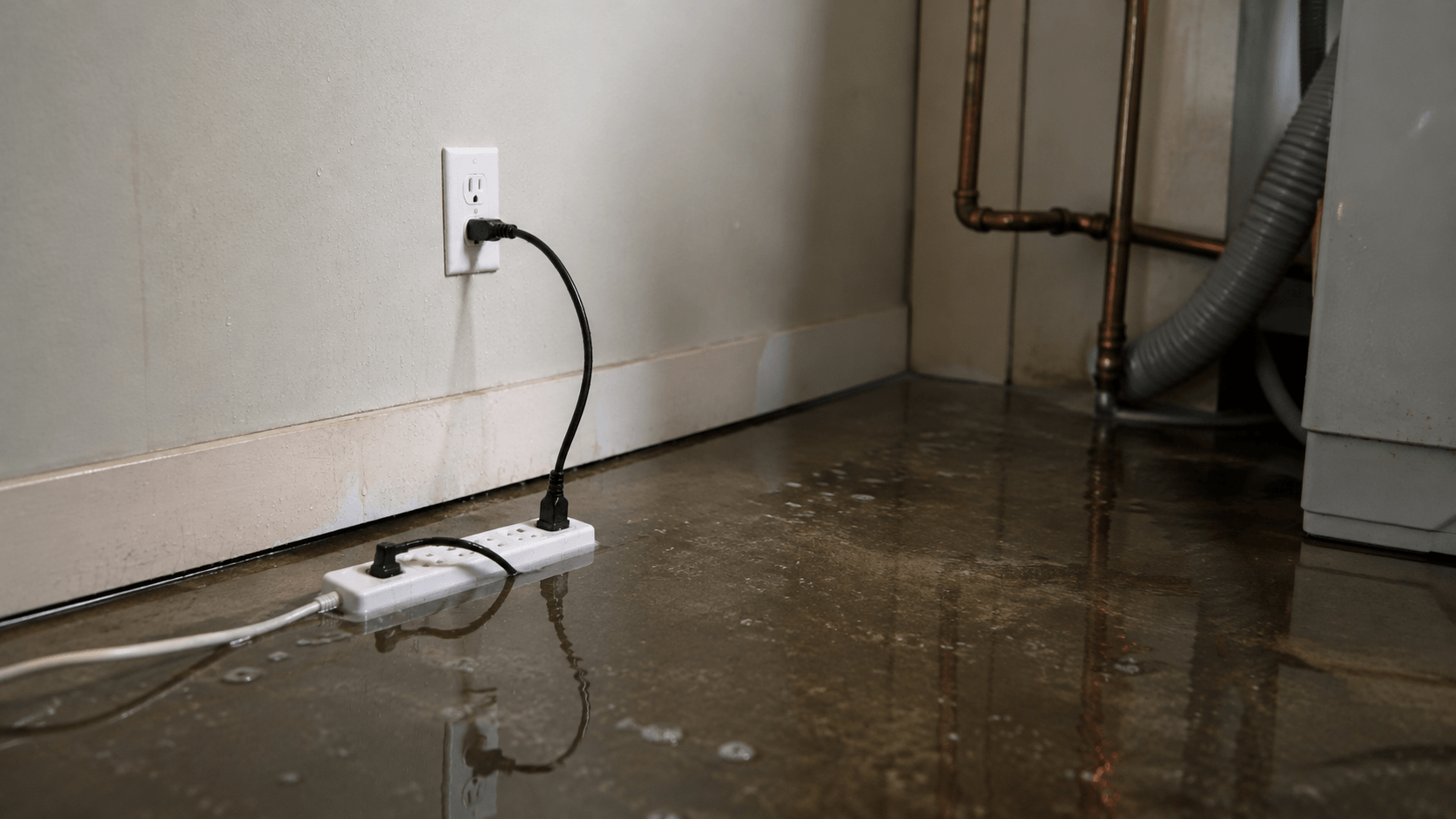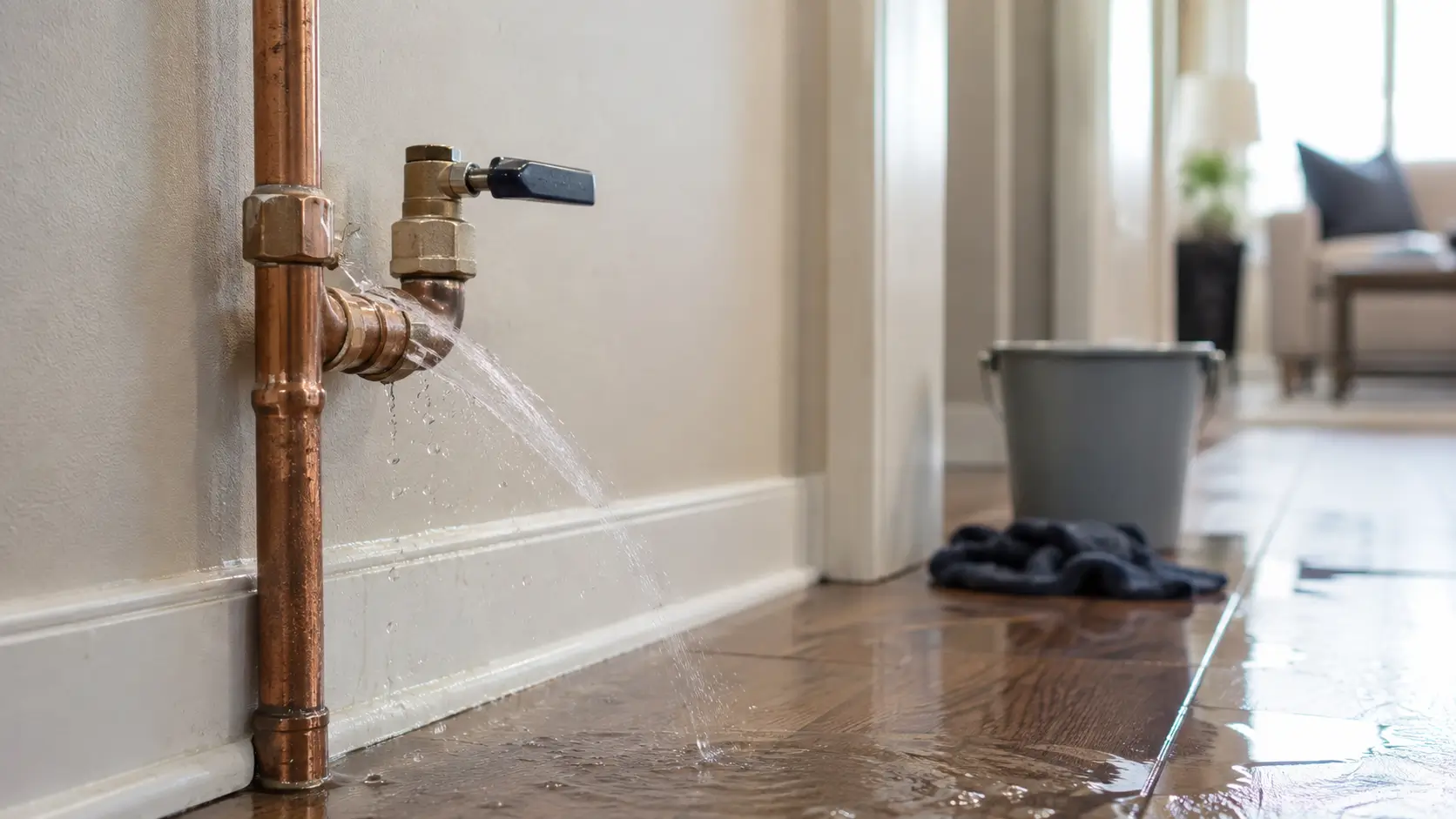
Many homeowners in Georgetown must learn local emergency plumbing laws so you can locate shut-off valves, prevent major water damage, and comply with rules to avoid fines and protect your home.
Key Takeaways:
- Georgetown requires permits and licensed plumbers for most plumbing alterations and new installations; unpermitted work can lead to fines and required corrective inspections.
- Locate and know how to operate your home’s main shut-off valve and the utility shut-off at the meter; use the interior valve to stop indoor flooding and contact Georgetown Utility Systems for service-line or meter isolation.
- Georgetown Utility Systems may shut off water for emergencies, unsafe conditions, or nonpayment; backflow prevention devices are required for certain systems (irrigation, pools, commercial) and must be installed, tested, and maintained per city code.
Georgetown Municipal Plumbing Code Overview
Georgetown code requires you to follow municipal plumbing rules covering installation, maintenance and emergency procedures; know your main shut-off valve location and permit obligations. Violations can trigger fines or mandated repairs, so keep access clear and records current for inspections.
Integration of International Plumbing Code (IPC) Standards
City adoption of the IPC means you must meet national standards for fixtures, venting, and backflow prevention; inspectors apply IPC-based rules during emergency and routine inspections to ensure safety and code compliance.
Local Amendments for Residential Emergency Scenarios
Homeowners face local amendments requiring immediate shut-off access, isolation of hazardous leaks, and prompt city notification; emergency repairs often need same-day permits or licensed-plumber verification to avoid penalties.
You should label and keep clear the main and secondary shut-off valves, and secure safe access for emergency responders. Municipal rules allow short-term measures like compression fittings or temporary caps only when you obtain a post-repair permit within specified hours. Licensed plumbers must perform permanent fixes; failure to comply can result in fines, forced repairs, or liability for water damage. If sewage or gas is involved, contact city services immediately and avoid DIY attempts to reduce health and safety risks.
Main Shut-Off Valve Compliance Standards
Your main shut-off valve must be accessible, clearly labeled, and operable; follow local code for placement and maintenance, and during outages consult Here’s What To Do During A Water Shutdown In Central Texas. Failure to comply risks major flooding and fines.
Mandatory Accessibility and Identification Requirements
Ensure you can reach the valve within minutes, keep it free from debris, and mark it with durable ID; blocked or unlabeled valves increase flood risk.
Distinguishing City-Owned vs. Homeowner Valve Responsibilities
Know whether the curb stop is city-owned or your responsibility before intervening; contact utilities first, since tampering with city equipment can create liability and service loss.
City-owned valves usually sit at the property line and require utility crews for repairs; for homeowner valves inside the meter box, you can shut water off yourself but avoid forcing stuck equipment to prevent costly breaks.
Emergency Repair Permitting Protocols
City allows you to begin emergency plumbing repairs without a permit for immediate hazards, but you must notify the permitting office and obtain retroactive approval within the municipal timeframe; failure can lead to penalties or ordered rework.
Exemptions for Immediate Life-Safety Repairs
When you face life-threatening gas leaks, sewage backups, or major flooding, Georgetown exempts you from prior permitting to shut off service and make repairs; use qualified professionals and alert the city immediately to avoid hazards.
Post-Repair Inspection and Filing Deadlines
You must typically file an emergency permit and schedule an inspection within the city’s required window-often within 24-72 hours-or risk fines, stop-work orders, and orders to undo unsafe repairs.
Missed filing deadlines expose you to fines and mandatory corrective actions; you should file the emergency permit via Georgetown’s online portal or in person, attach photos and contractor receipts, and be prepared to schedule a same-week inspection. Inspectors will check for proper materials, secure connections, correct venting and backflow protection; if work is unsafe, you may be ordered to stop and redo repairs at your expense.
Backflow Prevention and Safety Mandates
Backflow prevention protects your household supply from contaminated water; you must install and maintain approved devices on irrigation and high-risk lines. Backflow incidents can push sewage or chemicals into your drinking water – this creates a public health hazard and triggers corrective orders under local code.
Cross-Connection Control Requirements for Homeowners
Cross-connections like garden hoses, boilers, or irrigation tie-ins can allow contaminants into your potable system; you must eliminate unauthorized cross-connections and install certified backflow devices where required. City inspectors may require corrective action and fines for noncompliance.
Annual Testing Obligations for Residential Irrigation
Annual testing of residential irrigation backflow devices is required; you must hire a certified tester and keep the report on file. Failing tests demand prompt repairs and may lead to fines or temporary water restrictions until compliance is shown.
Testing must be scheduled annually before peak irrigation season; a certified tester will inspect, test, and file the report with the city when required. You must complete repairs with approved parts by licensed plumbers; failure to file or fix issues can trigger fines, temporary shutdowns, or service termination. Keep copies of reports for audits and property transfers.
Winterization and Freeze Protection Regulations
Local codes require you to winterize outdoor systems and follow municipal shut-off procedures to prevent frozen pipes; failure can cause major water damage and potential fines.
Insulation Standards for Exposed Exterior Piping
Exterior piping must be insulated to meet local R-value or thickness rules so you avoid freezing; use approved foam or heat tape and secure coverings to maintain compliance.
Liability for Negligent Water Discharge During Freeze Events
You face liability if negligent water discharge from thawing causes damage to neighboring properties; intentional or avoidable releases can trigger legal claims and restitution.
Municipal ordinances often require you to immediately shut off water, notify affected neighbors and the utility, and document actions; courts evaluate whether you used reasonable precautions. Gross negligence can produce punitive damages, and insurers may deny coverage if you failed to follow local winterization or shut-off rules, increasing your personal exposure.
Contractor Licensing and Insurance Standards
You must hire plumbers who present current state licenses and proof of general liability and workers’ compensation insurance; unlicensed work can cause major water damage and leave you with voided insurance claims, so confirm credentials and coverage before permitting emergency repairs.
Verifying Texas State Board of Plumbing Examiners Credentials
Check the Texas State Board of Plumbing Examiners database for the contractor’s license number, active status and any disciplinary actions; ensure the license matches the business name and obtain written confirmation prior to work.
Documentation Requirements for Emergency Insurance Claims
Collect photos with timestamps, itemized invoices, the plumber’s work order and receipts for mitigation; include any temporary shut-off records to prove urgent damage and speed your claim.
Photograph the damage from multiple angles with visible timestamps, keep before-and-after shots, save repair estimates and a signed emergency authorization that lists the contractor’s license number, and retain receipts for pumps or drying services so you can present a clear, itemized claim to your insurer.
To wrap up
Understanding Georgetown’s emergency plumbing laws is not just about avoiding fines — it’s about protecting your home, your insurance coverage, and your family’s safety. From knowing where your main shut-off valve is located to complying with backflow testing, emergency permitting deadlines, and freeze protection requirements, local rules are designed to limit water damage and public health risks.
In an emergency, acting quickly matters. Shut off your interior valve immediately, contact Georgetown Utility Systems if the issue involves the meter or service line, and hire a licensed plumber who understands local code requirements. Proper documentation, permits, and inspections can make the difference between a smooth insurance claim and costly setbacks.
If you need emergency plumbing services in Georgetown, TX, Sosa Plumbing Services is ready to respond. Our licensed emergency plumber team understands municipal requirements, handles urgent repairs correctly, and provides the detailed documentation homeowners need for inspections and insurance claims. When every minute counts, trust a local plumbing company that knows Georgetown’s codes and protects your home the right way.