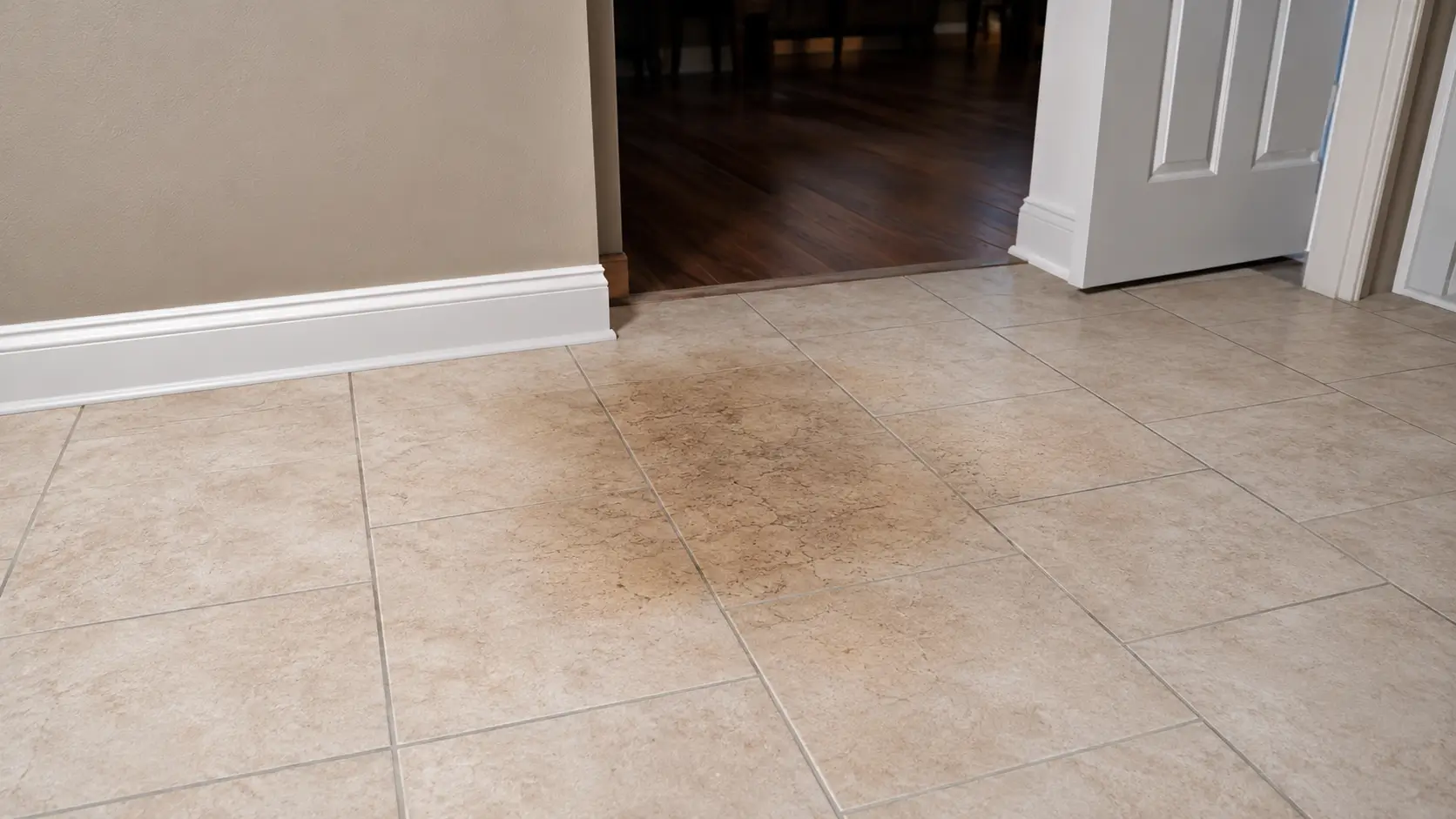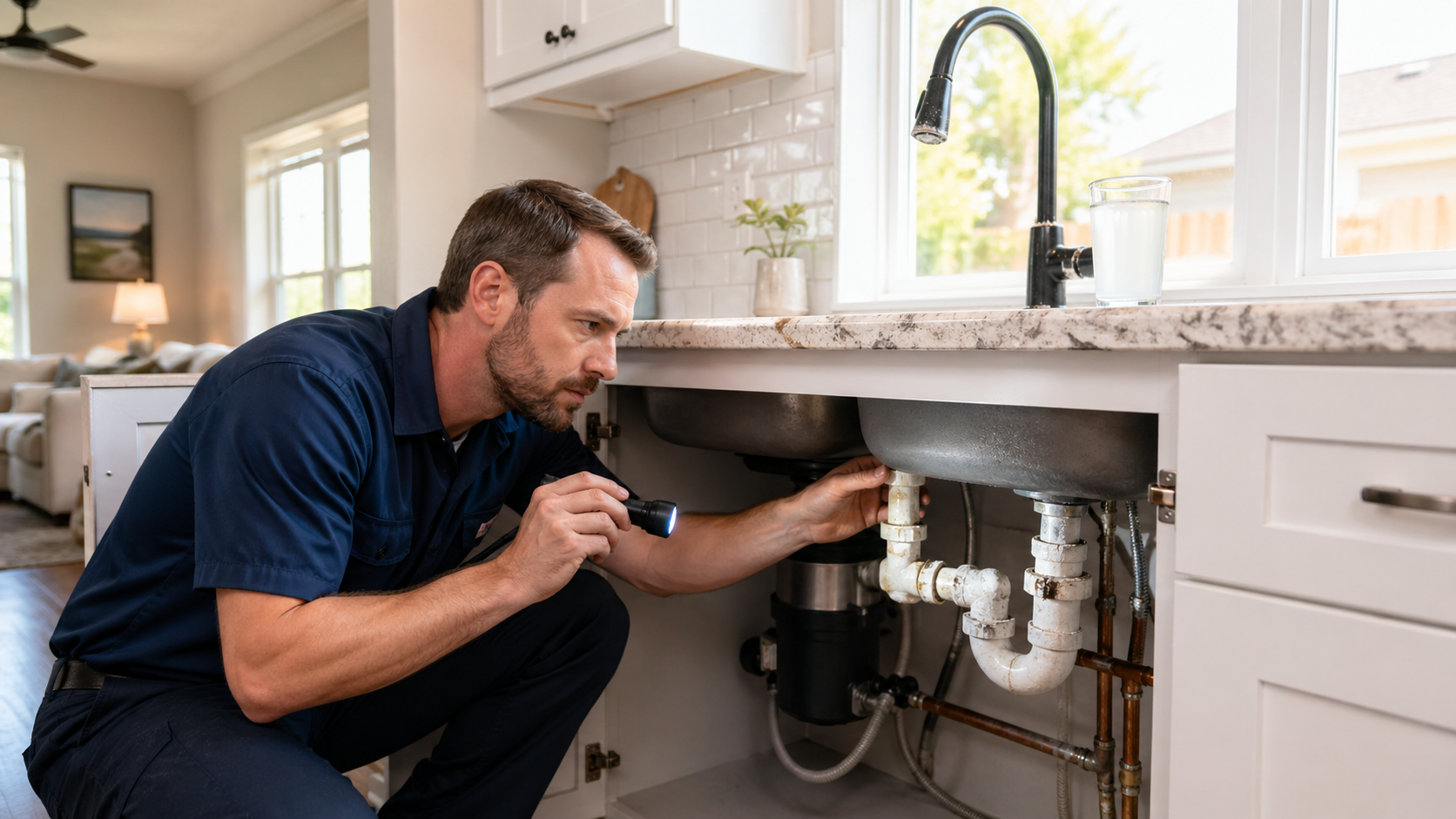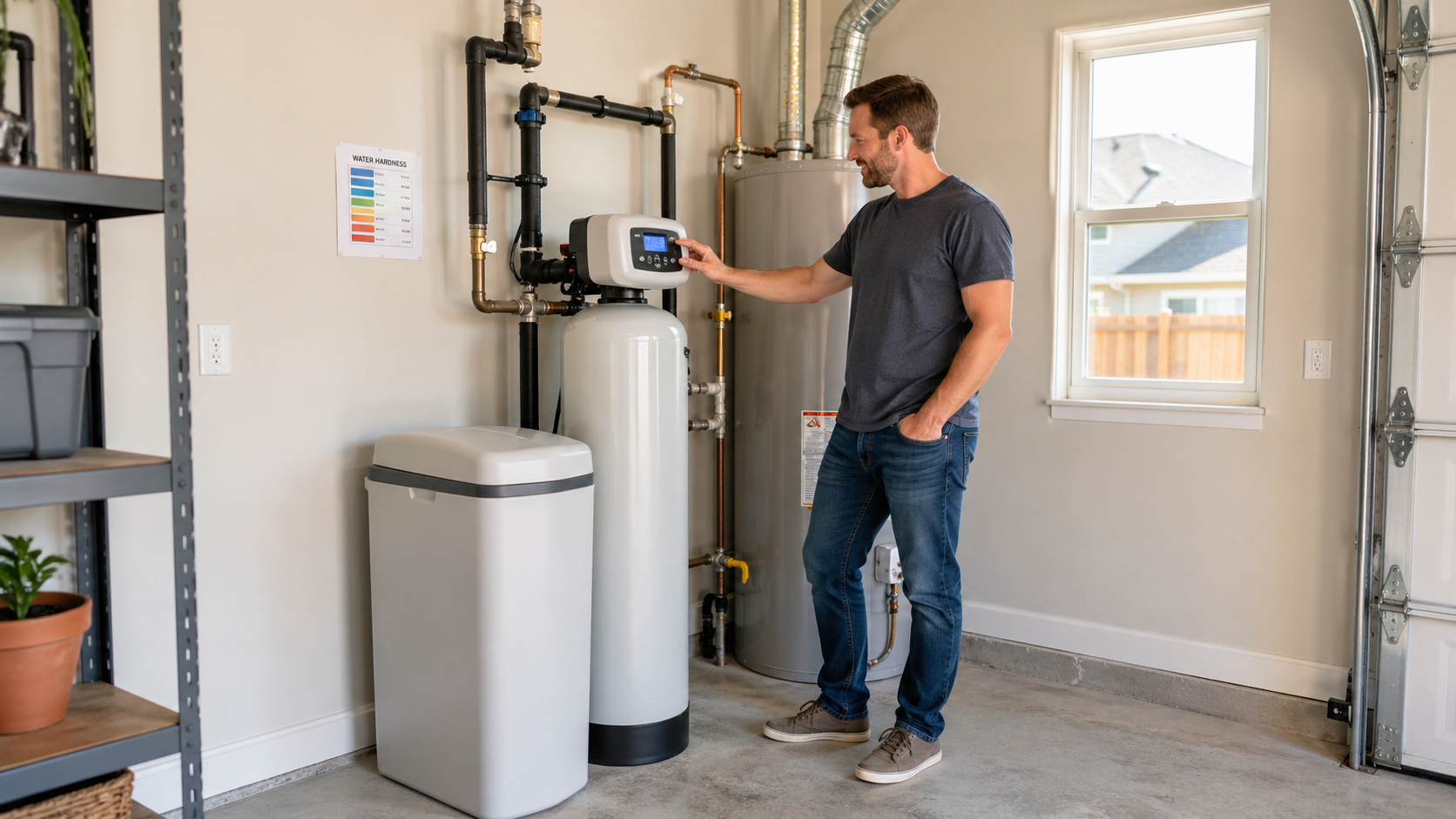
If you live in Round Rock or Hutto and constantly notice white spots on faucets, cloudy dishes, dry skin, or mineral buildup around your showerhead, a water softener may be worth considering. Central Texas is known for hard water, and over time, those minerals can affect your plumbing, fixtures, water heater, and appliances.
Even if your home is newer, hard water can still be a problem. The issue usually comes from the minerals in the water supply, not just the age of the plumbing. This guide explains how to tell if your home has hard water, what a water softener actually does, and when it makes sense to call Sosa Plumbing Services for water quality testing or water softener installation.
Key Takeaways
- Round Rock and Hutto homes commonly deal with hard water because Central Texas water contains mineral deposits.
- A water softener can help reduce calcium and magnesium buildup in pipes, fixtures, water heaters, and appliances.
- Common signs include white stains, cloudy dishes, dry skin, stiff laundry, and scale around showerheads.
- New homes can still have hard water problems if mineral-heavy water runs through the plumbing every day.
- Sosa Plumbing Services can test your water and install the right water softener system for your home.
Why Hard Water Is Common in Round Rock and Hutto
Hard water contains minerals like calcium and magnesium. As water moves through rock, soil, and underground sources, it picks up these minerals before reaching homes and businesses. In many parts of Central Texas, this creates water that leaves behind scale, spots, and buildup.
That is why homeowners in Round Rock, Hutto, Georgetown, and nearby areas often deal with hard water symptoms. You may notice white crust around a faucet, cloudy dishes after a dishwasher cycle, or scale on the showerhead. These are all common signs that minerals are being left behind after water evaporates.
Hard water is not only an older-home issue. Many newer neighborhoods in Round Rock and Hutto can still have hard water because the problem comes from the water itself. A brand-new home can still develop buildup on fixtures, inside the water heater, and around plumbing connections if hard water is running through the system every day.
For fast-growing areas like Round Rock and Hutto, this matters. Many homeowners move into newer homes expecting fewer maintenance issues, but hard water can still show up quickly through stains, scale, and appliance wear.
What a Water Softener Actually Does
A water softener is designed to reduce hardness minerals before they move through your plumbing system. In simple terms, it helps remove or reduce minerals like calcium and magnesium that cause scale buildup.
When water enters the softener, the system treats it before it travels to fixtures, appliances, and water heaters. This can help reduce the mineral deposits that cause white stains, cloudy spots, clogged showerheads, and buildup inside plumbing components.
A water softener is not the same thing as a standard water filter. This is an important difference.
A water softener helps with:
- Calcium
- Magnesium
- Hard water scale
- Mineral buildup
- Fixture stains
- Water heater sediment and scale issues
A water filter helps with:
- Taste
- Odor
- Sediment
- Chlorine
- Certain water quality concerns, depending on the system
Some homes only need a water softener. Others may benefit from a filtration system. In some cases, a homeowner may need both. The best choice depends on what is actually in the water, which is why water quality testing is a smart first step.
Signs Your Round Rock or Hutto Home May Need a Water Softener
Hard water does not always create one big obvious problem. Most of the time, it shows up through several smaller issues around the home.
You may need a water softener if you notice:
- White crust around faucets
- Cloudy dishes after washing
- Soap that does not lather well
- Dry skin or dry-feeling hair
- Stiff or rough laundry
- Scale on showerheads
- Water spots on glass shower doors
- Soap scum in sinks and tubs
- Water heater popping or rumbling
- Appliances wearing out sooner than expected
- Low water flow from fixture buildup
One sign alone may not always mean you need a water softener. For example, cloudy dishes could be related to the dishwasher, detergent, or water temperature. But when several of these signs show up together, hard water is often part of the problem.
Bathrooms and kitchens usually show the first signs. Faucets develop white buildup. Showerheads clog or spray unevenly. Glass shower doors look cloudy even after cleaning. Dishes come out with spots. Over time, these surface-level issues can point to mineral buildup happening deeper in the plumbing system.
How Hard Water Affects Your Plumbing Over Time
Hard water can slowly wear down your plumbing system because minerals are left behind as water moves through pipes, fixtures, and appliances. At first, the buildup may be small. But over months and years, those minerals can collect inside small openings, valves, cartridges, and water-using equipment.
This can lead to restricted water flow, more fixture maintenance, and extra strain on appliances. In some homes, mineral buildup can make faucets feel weak, showerheads clog faster, and water heaters work harder than they should.
Hard water can affect your plumbing by causing:
- Mineral buildup inside fixtures
- Clogged faucet aerators
- Scale around showerheads
- Reduced water flow
- More wear on valves and cartridges
- Extra strain on water heaters
- Scale inside tankless water heater components
- Reduced appliance efficiency
- More cleaning and maintenance
The damage is usually gradual. That is why many homeowners do not think about hard water until the signs become frustrating. But by the time you are constantly cleaning scale, replacing fixtures, or dealing with water heater sediment, hard water may already be affecting multiple parts of the home.
Water Softener Benefits for Central Texas Homes
A water softener can make daily water use easier and help protect plumbing components from mineral buildup. For Round Rock and Hutto homeowners, the biggest benefit is reducing the amount of scale that moves through the home’s plumbing system.
Common benefits of a water softener include:
- Less calcium buildup around fixtures
- Cleaner-looking faucets and showerheads
- Fewer water spots on dishes and glass
- Better soap and shampoo performance
- Softer-feeling laundry
- Less soap scum in bathrooms
- Reduced scale inside water heaters
- Better water heater efficiency
- Longer life for water-using appliances
- Less recurring maintenance from mineral buildup
A water softener will not fix every plumbing issue, but it can help reduce one of the most common causes of repeated buildup in Central Texas homes.
The results can vary depending on your home’s water hardness level, plumbing setup, and the type of system installed. That is why a professional recommendation matters. The right system should match your household size, water use, and water quality.
Do New Homes in Hutto or Round Rock Still Need Water Softeners?
Yes, newer homes in Hutto or Round Rock may still benefit from a water softener. New plumbing does not stop hard water from entering the home. If mineral-heavy water is moving through the system every day, buildup can still happen.
A new home can still develop:
- Hard water stains on fixtures
- Scale on showerheads
- Cloudy dishes
- Mineral buildup inside a water heater
- Sediment issues
- Stiff laundry
- Dry skin or hair
- Appliance wear
Installing a water softener early can help protect the plumbing system from the start. This is especially helpful for homeowners who just moved into a new build and want to prevent scale before it becomes a bigger maintenance issue.
Many builder-grade fixtures and appliances can still be affected by hard water. A water softener can help reduce the buildup that causes fixtures to look older faster and appliances to work harder over time.
Water Softener Installation vs. Buying a Store-Bought Unit
Some homeowners consider buying a water softener from a store and installing it themselves. That may seem simple at first, but water softener installation often involves more than connecting a unit and adding salt.
A professional installation helps make sure the system is correctly sized, properly connected, and installed in a safe location. It also helps avoid leaks, drainage issues, pressure problems, or incorrect bypass valve setup.
Professional water softener installation can help with:
- Correct system sizing
- Proper plumbing connections
- Drain line setup
- Bypass valve installation
- Code-compliant installation
- Safe placement in the garage, utility room, or equipment area
- Avoiding leaks around fittings
- Preventing pressure or flow issues
- Explaining maintenance and salt refills
A store-bought unit may work for some homes, but if plumbing modifications are needed, professional installation is the safer option. A plumber can also check whether your current plumbing setup is ready for a softener or if changes are needed before installation.
How to Know What Size Water Softener You Need
Choosing the right size water softener matters. A system that is too small may regenerate too often, use more salt, or struggle to keep up with household demand. A system that is too large may cost more than necessary.
The right size depends on several factors, including:
- Home size
- Number of people in the home
- Number of bathrooms
- Daily water use
- Water hardness level
- Existing plumbing setup
- Whether the home has high-demand fixtures or appliances
This is another reason water testing is helpful. A plumber can test the water hardness and look at how your home uses water. From there, they can recommend a system that fits the home instead of guessing based only on square footage.
For a family home in Round Rock or Hutto, the right water softener should be able to handle daily showers, laundry, dishwasher use, cooking, cleaning, and other regular household needs without falling behind.
When to Call Sosa Plumbing Services for Water Softener Installation
If hard water is causing stains, buildup, water heater problems, or constant cleaning, it may be time to call Sosa Plumbing Services. A professional water test and plumbing evaluation can help determine whether a water softener is the right solution for your home.
Call Sosa Plumbing Services if:
- You see heavy mineral buildup
- You are tired of hard water stains
- Your dishes come out cloudy
- Your showerhead clogs often
- Your water heater has sediment issues
- Your laundry feels stiff or rough
- You recently moved into a Round Rock or Hutto home
- You want a hard water test
- You are replacing an old water softener
- You want professional installation
Sosa Plumbing Services helps homeowners in Round Rock, Hutto, Georgetown, Cedar Park, Leander, Austin, Brushy Creek, and nearby Central Texas areas with water quality testing, water softener installation, plumbing repairs, and water heater services.
If you are tired of hard water problems in your home, call Sosa Plumbing Services to schedule water testing or request a water softener installation estimate.
FAQs About Water Softeners in Round Rock and Hutto
Do Round Rock and Hutto homes have hard water?
Yes. Many homes in Round Rock, Hutto, and nearby Central Texas areas deal with hard water because the water contains minerals like calcium and magnesium. These minerals can leave buildup on fixtures, dishes, showerheads, and plumbing components.
What are the signs I need a water softener?
Common signs include white stains on faucets, cloudy dishes, dry skin, stiff laundry, scale on showerheads, soap scum, and water heater sediment. If several of these issues are happening in your home, it may be time to test your water.
Will a water softener protect my water heater?
A water softener can help reduce mineral buildup that contributes to sediment and scale inside water heaters. This may help the system work more efficiently and reduce wear over time.
Is a water softener the same as a water filter?
No. A water softener is mainly used to reduce hardness minerals like calcium and magnesium. A water filter is used for issues like taste, odor, sediment, chlorine, or other water quality concerns.
Should I test my water before installing a softener?
Yes. Water testing helps confirm hardness levels and helps determine the right type and size of water softener for your Round Rock or Hutto home.